

A few examples of the work I've done as a creative leader. Some of it is film. Some of it is people. Some of it is culture, and some of it is the systems that hold all of it together.
-
2026 Vision & Initiatives
The presentation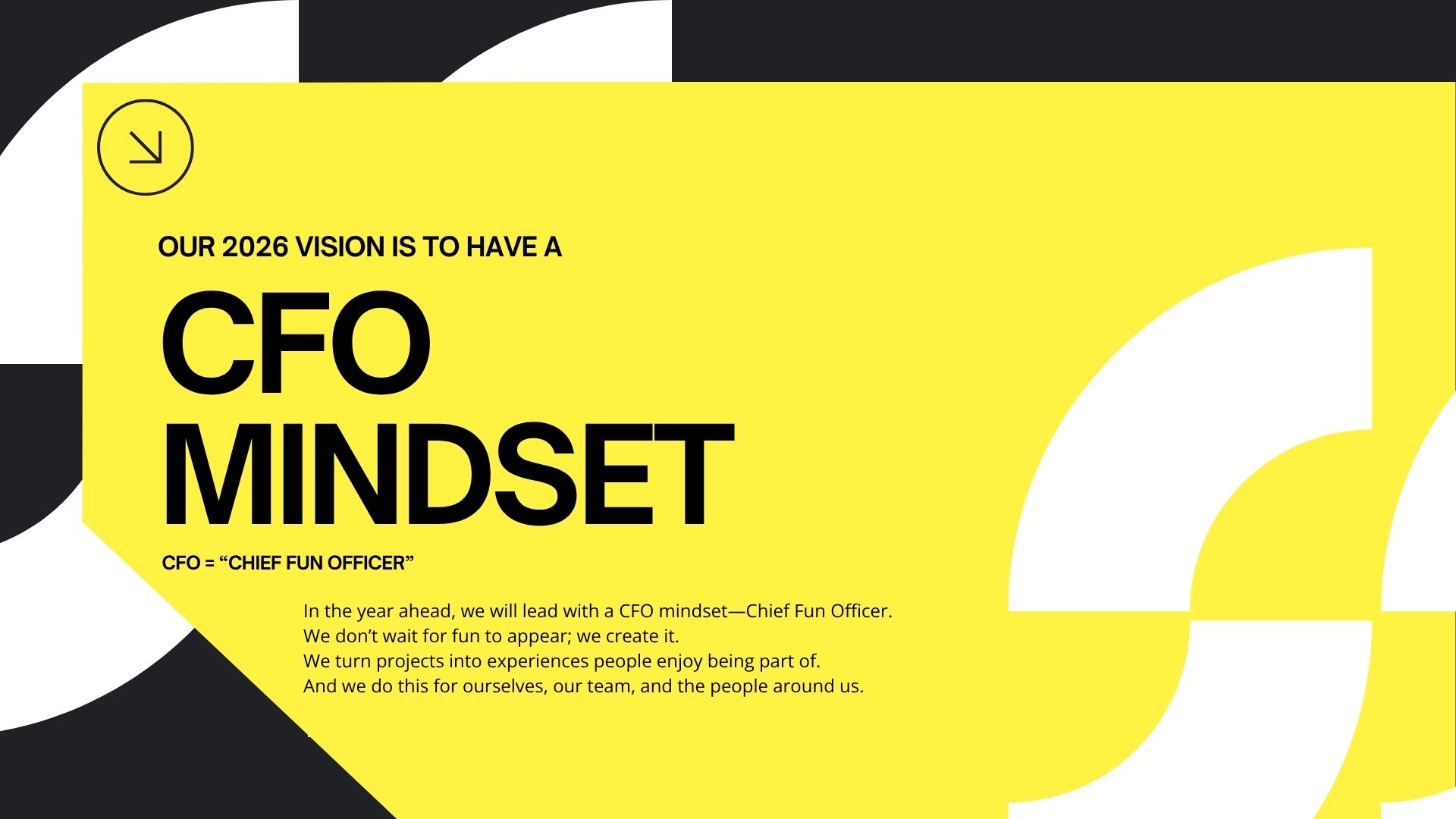 View all 16 slides





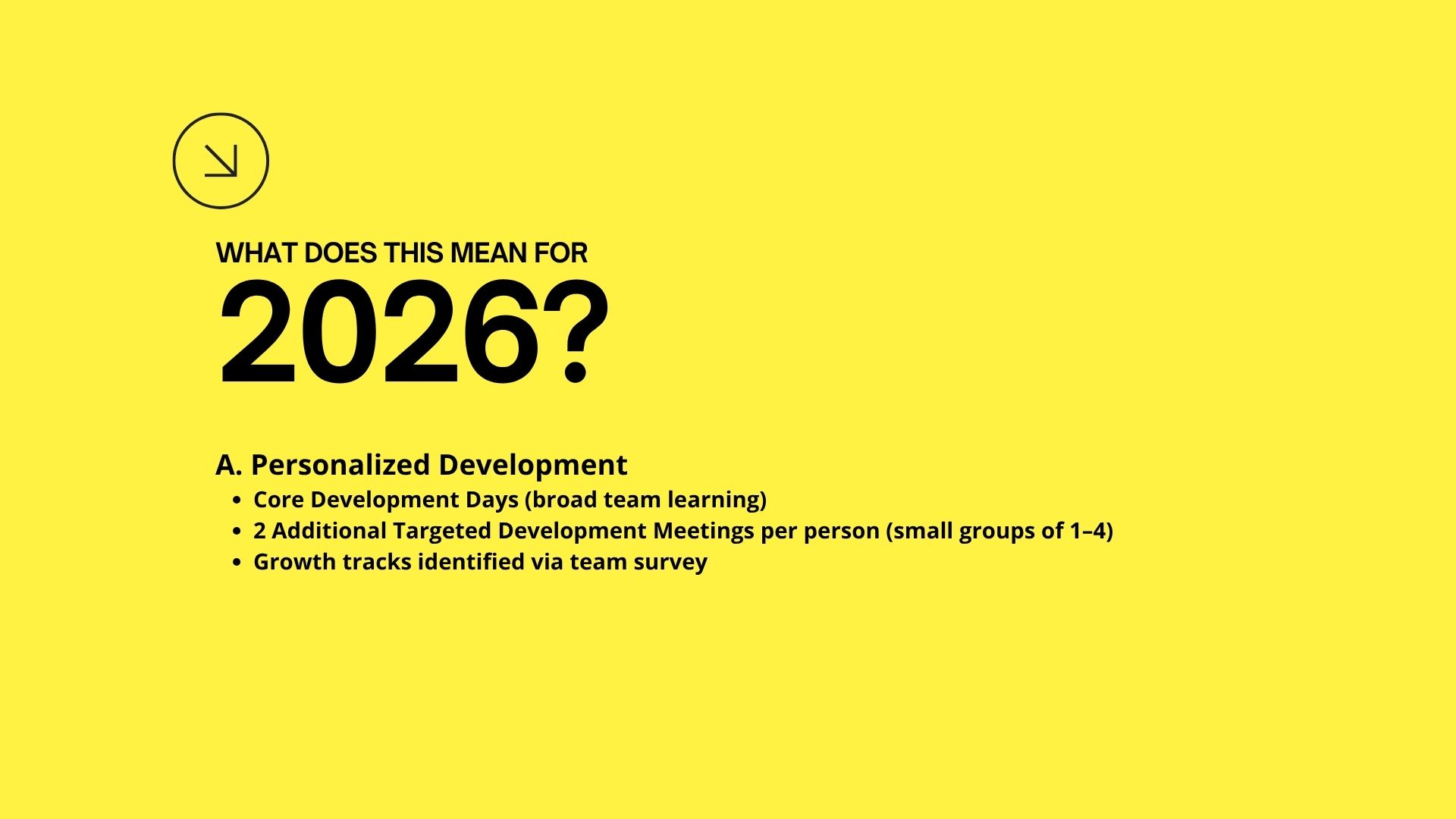

In the previous two years, we spent most of our focus on dialing in our development. This year, I wanted us to find the fun in our projects, meetings, initiatives, and relationships. So I wanted to create a mindset instead of a goal. That led to Chief Fun Officer. The point was to carry that mindset into everything they did, so a stressful situation or a project they were not enthused about got met with a different perspective. This was about building sustainability for themselves, and exercising leadership in the moments where they could bring others into a project with a better posture. Better morale, and better creative output because of it.
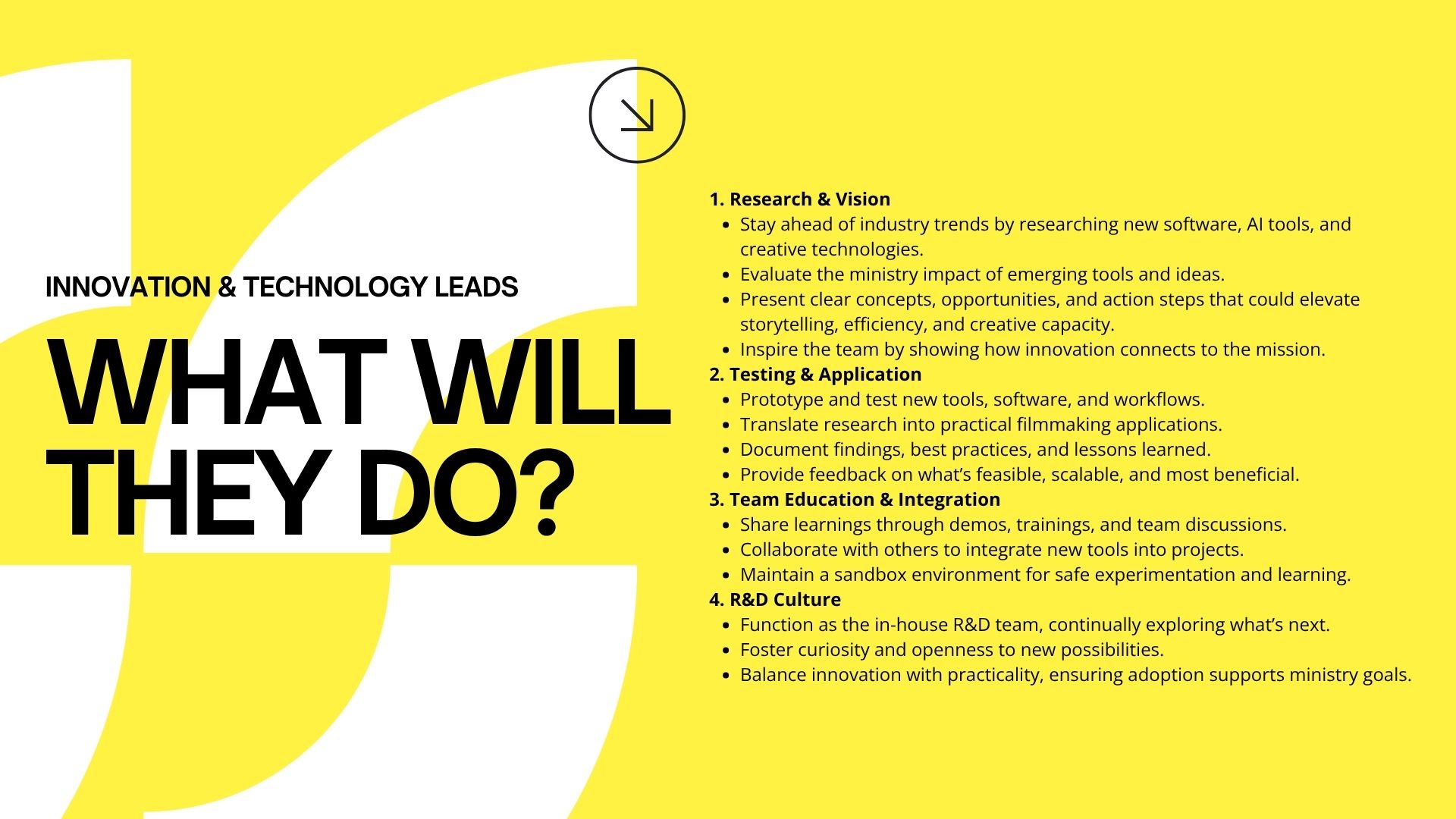
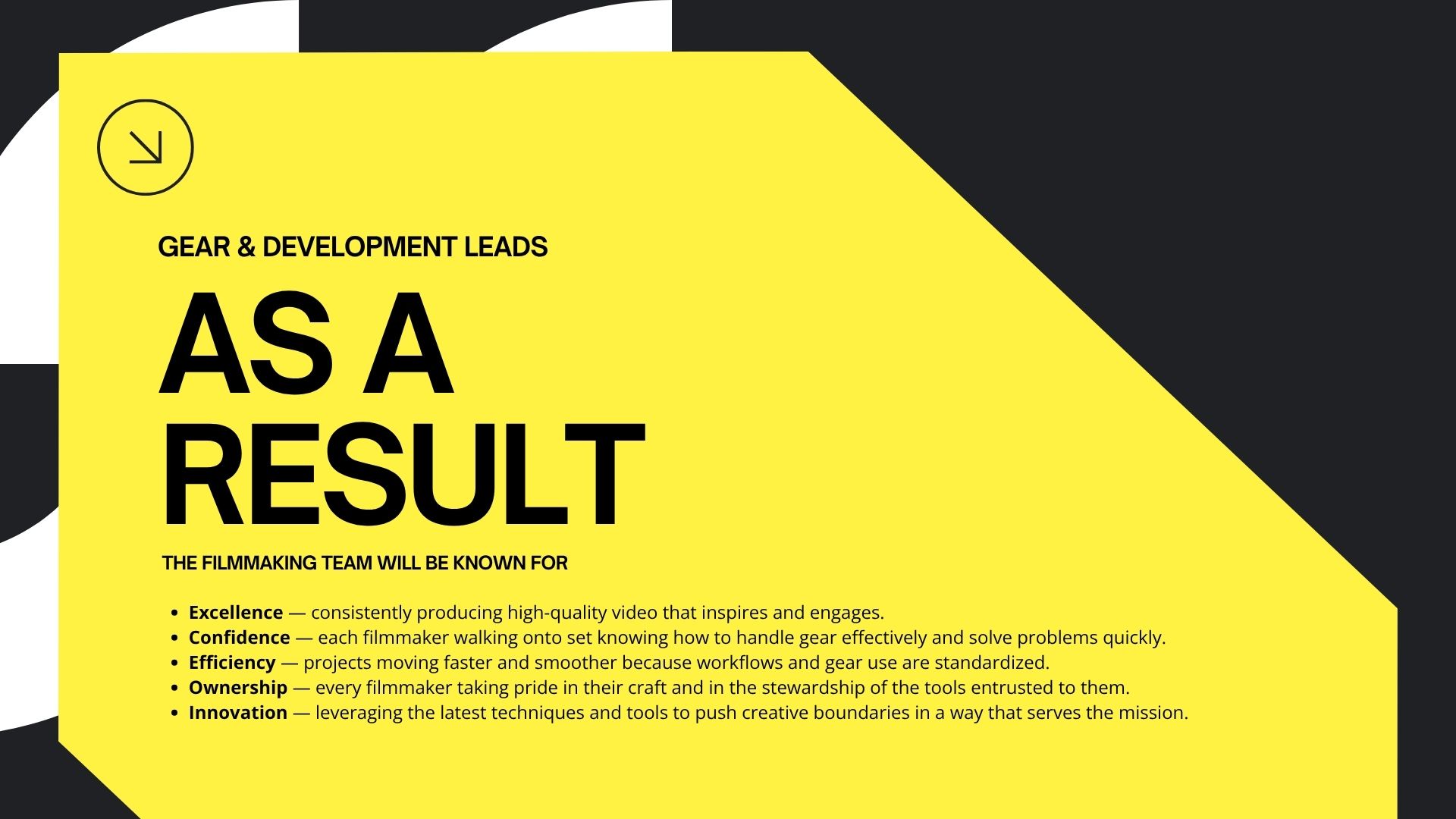
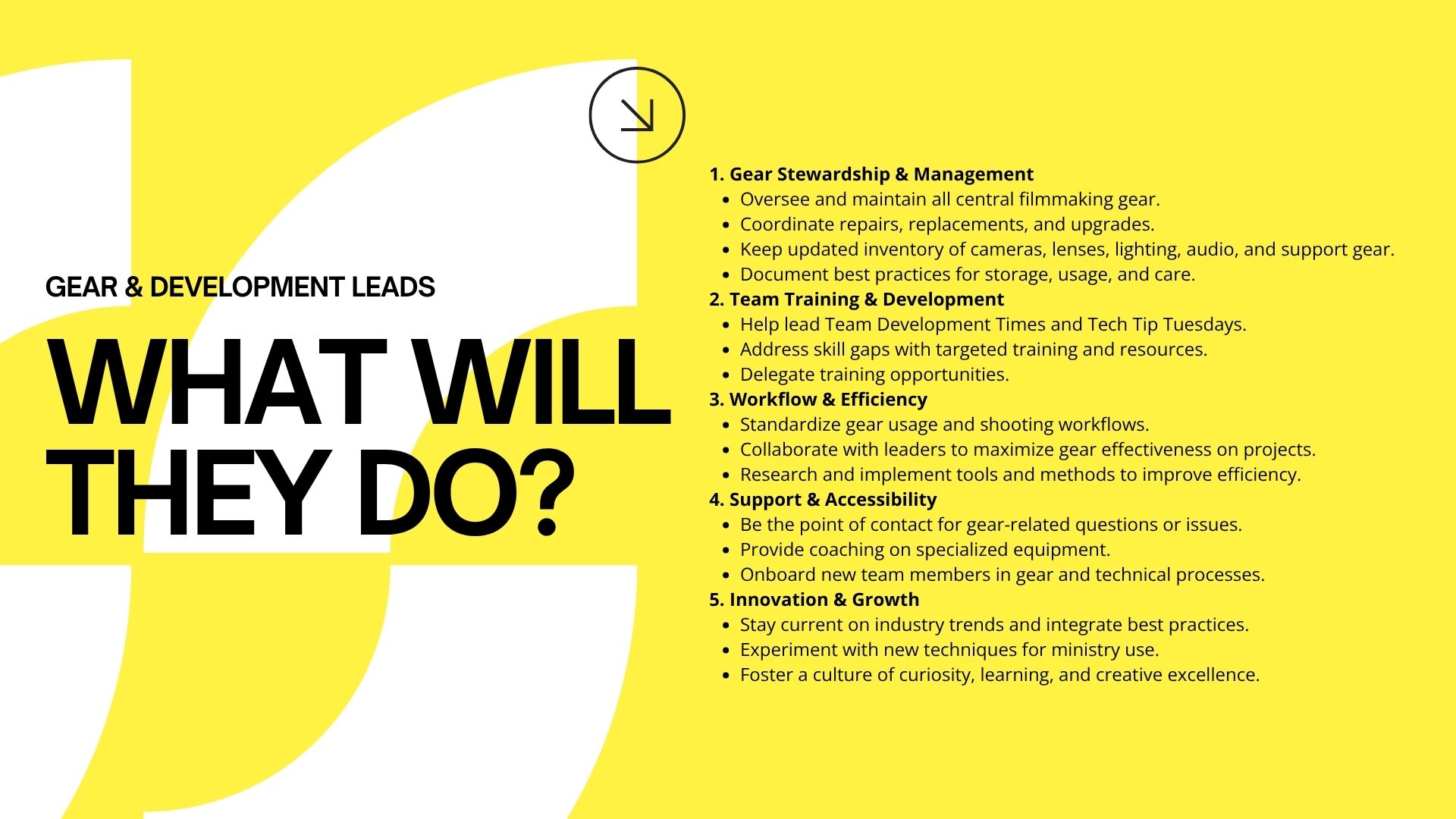
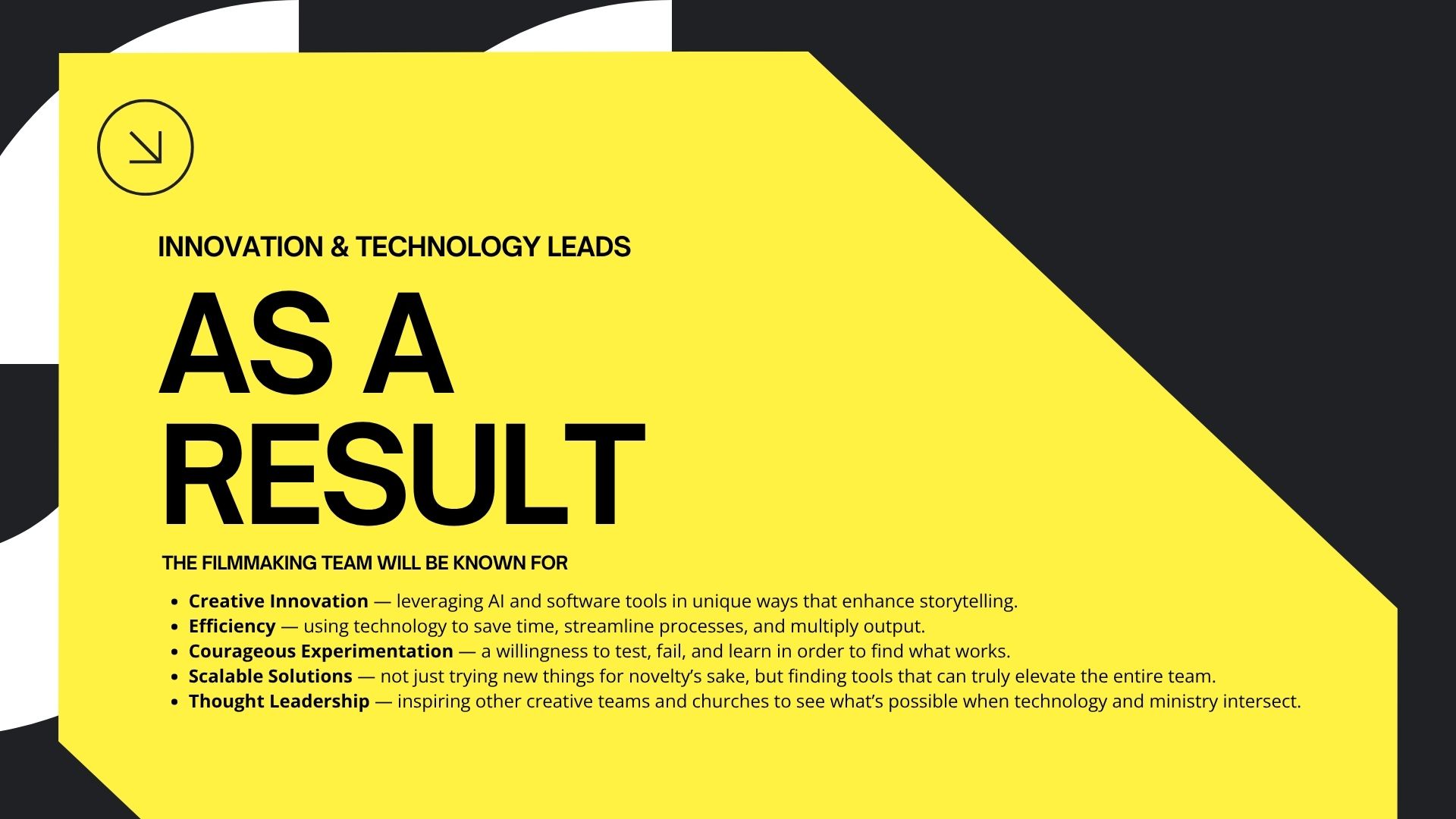
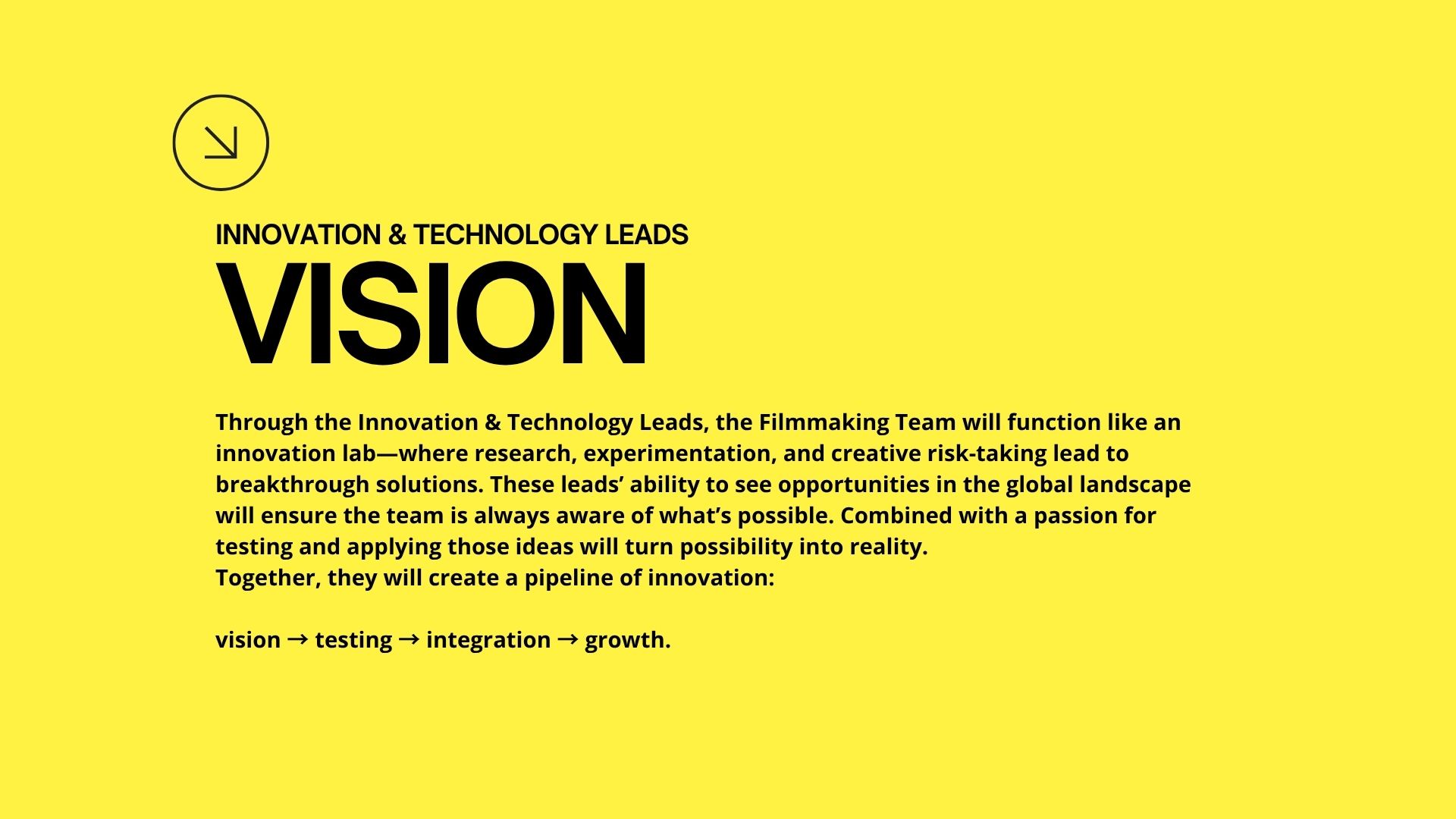
Beneath that, I wanted the team focused on two separate initiatives. Continued development in gear and filmmaking skills, and a push to become more innovative and efficient. I formed two teams for this, gave them directives on the output, and delegated authority over how it got done. I placed two key players in charge of them so we would accomplish two things at once. Develop in the areas that make us more influential as a team, and develop leaders inside of it. I believe that when authority is delegated, leaders are developed. The momentum compounds from there. And to make the expectations unmistakable, I laid out the vision and the expected outcomes for both teams, so there was clarity for those team members. How they accomplished it was up to them.
With all of that in place, the hope was momentum in the things we actually made, confidence in the process, and fun along the way.
-
What Is Good
 View all 29 slides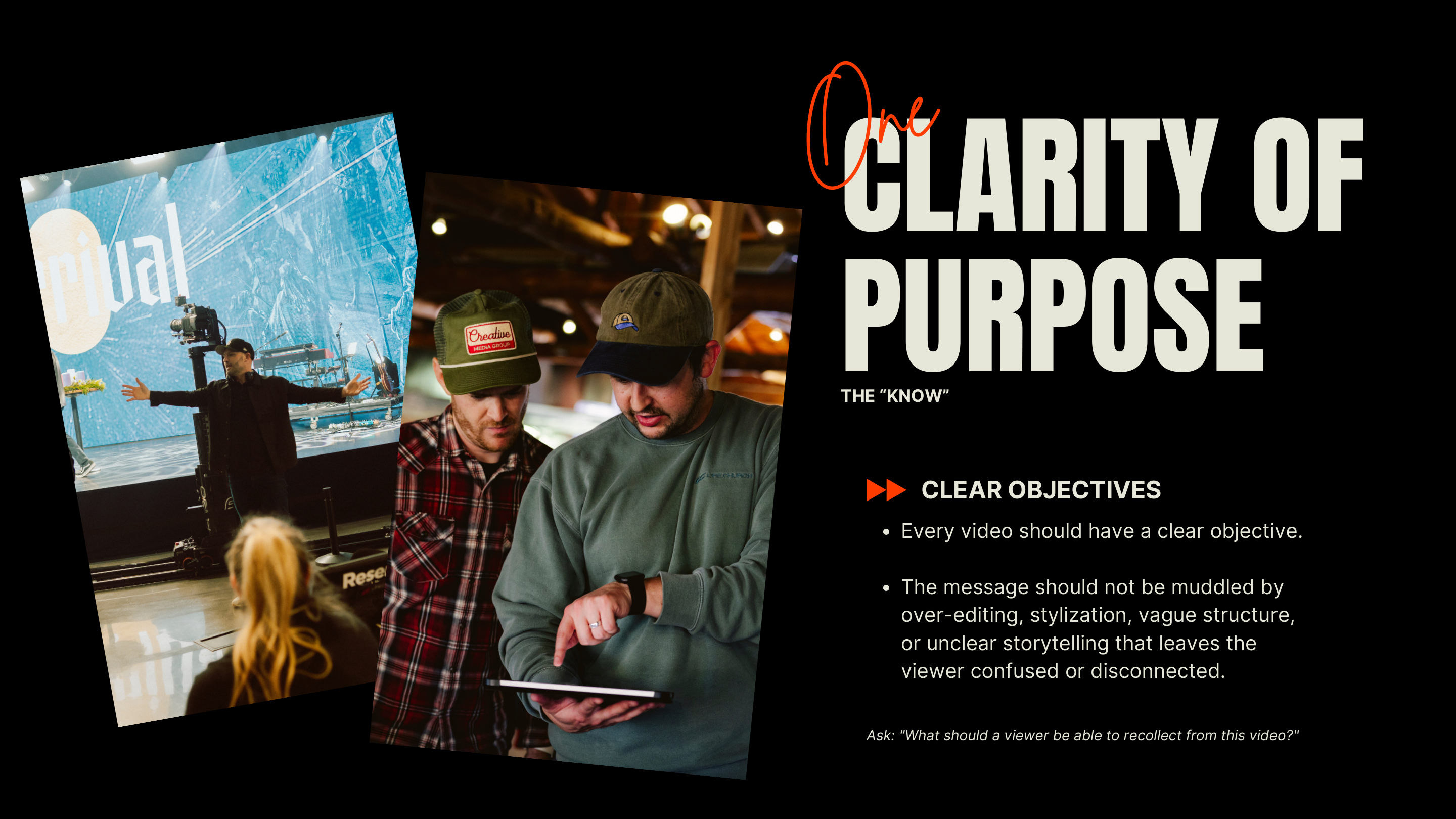
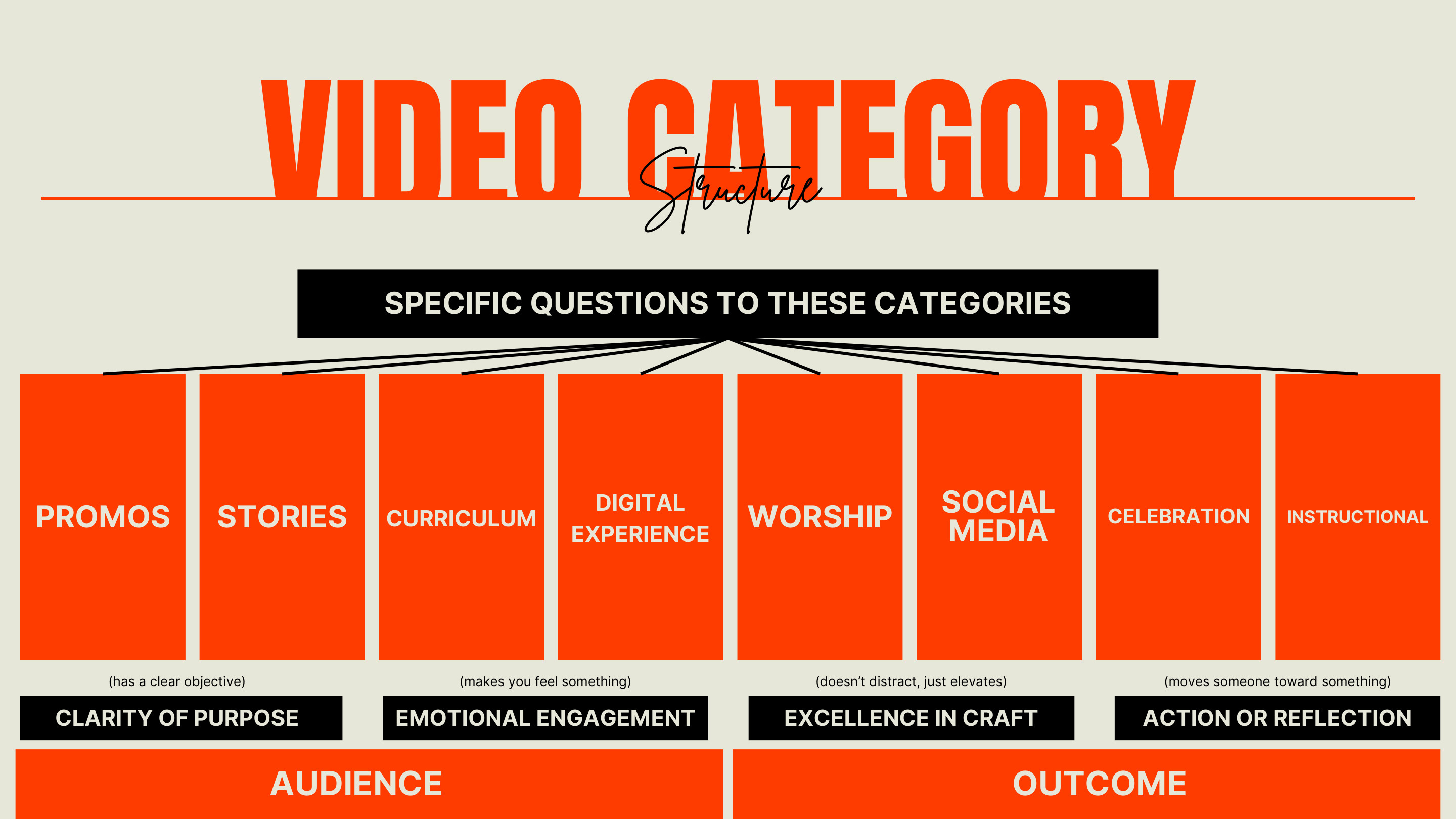
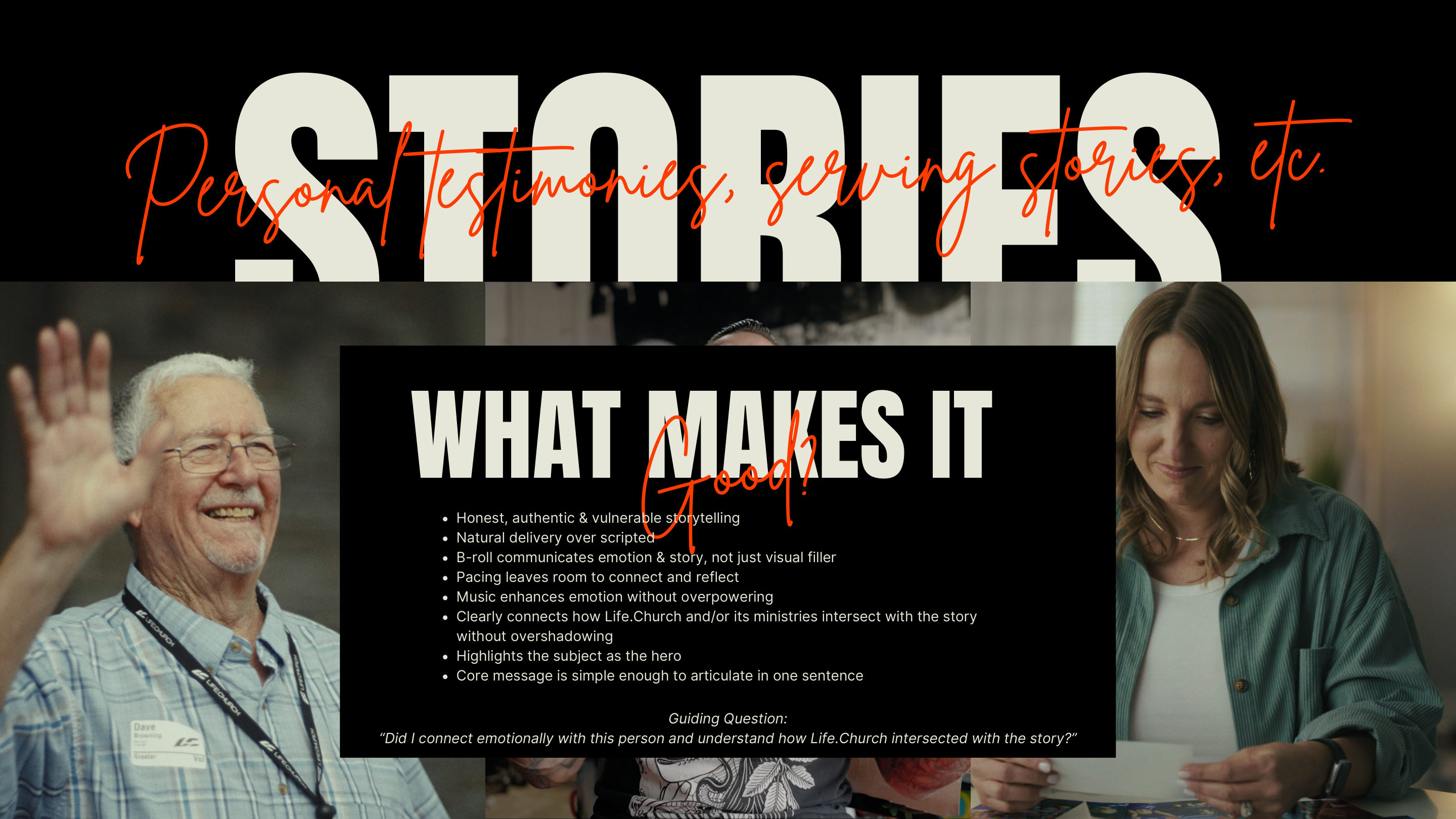
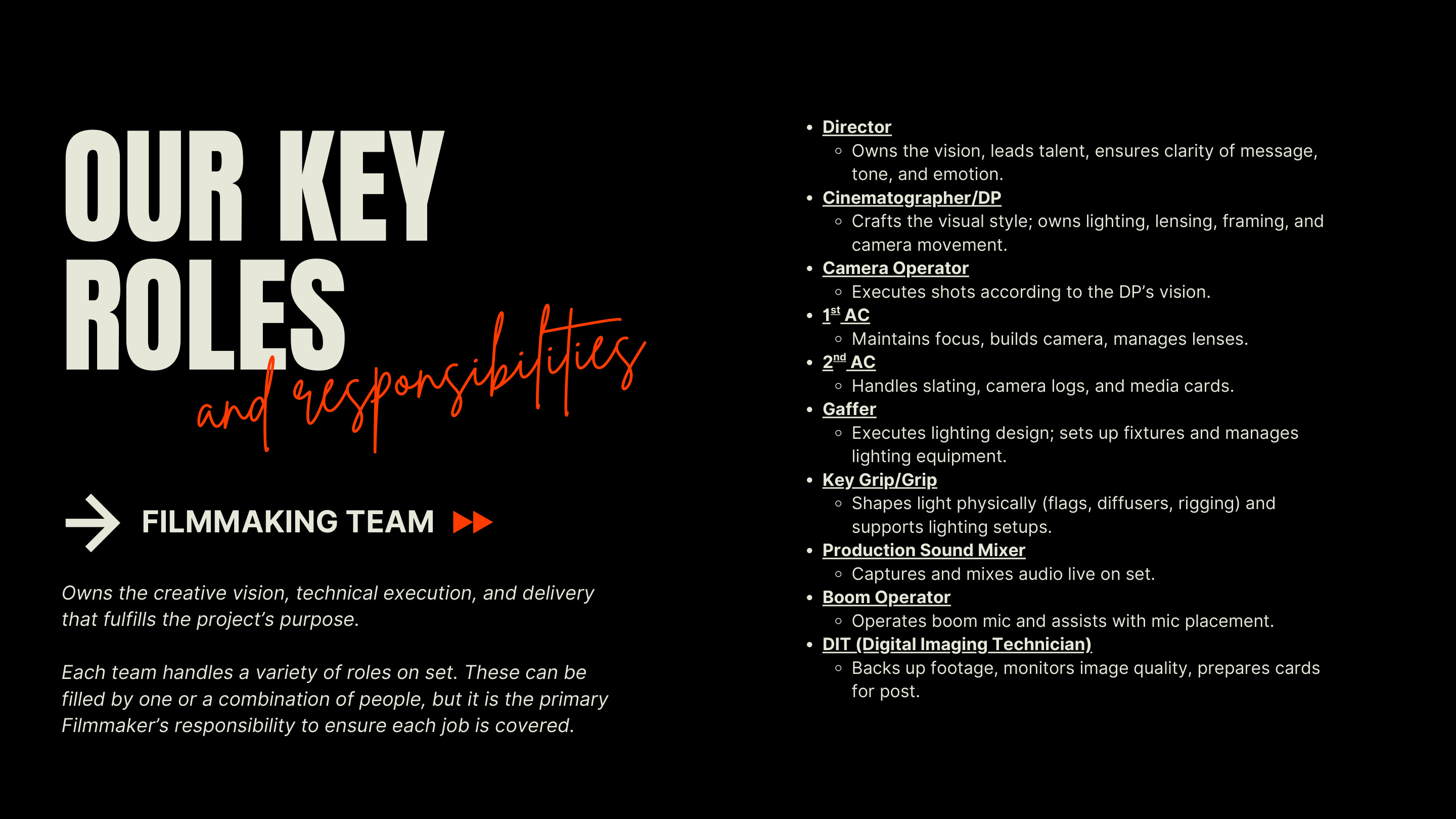
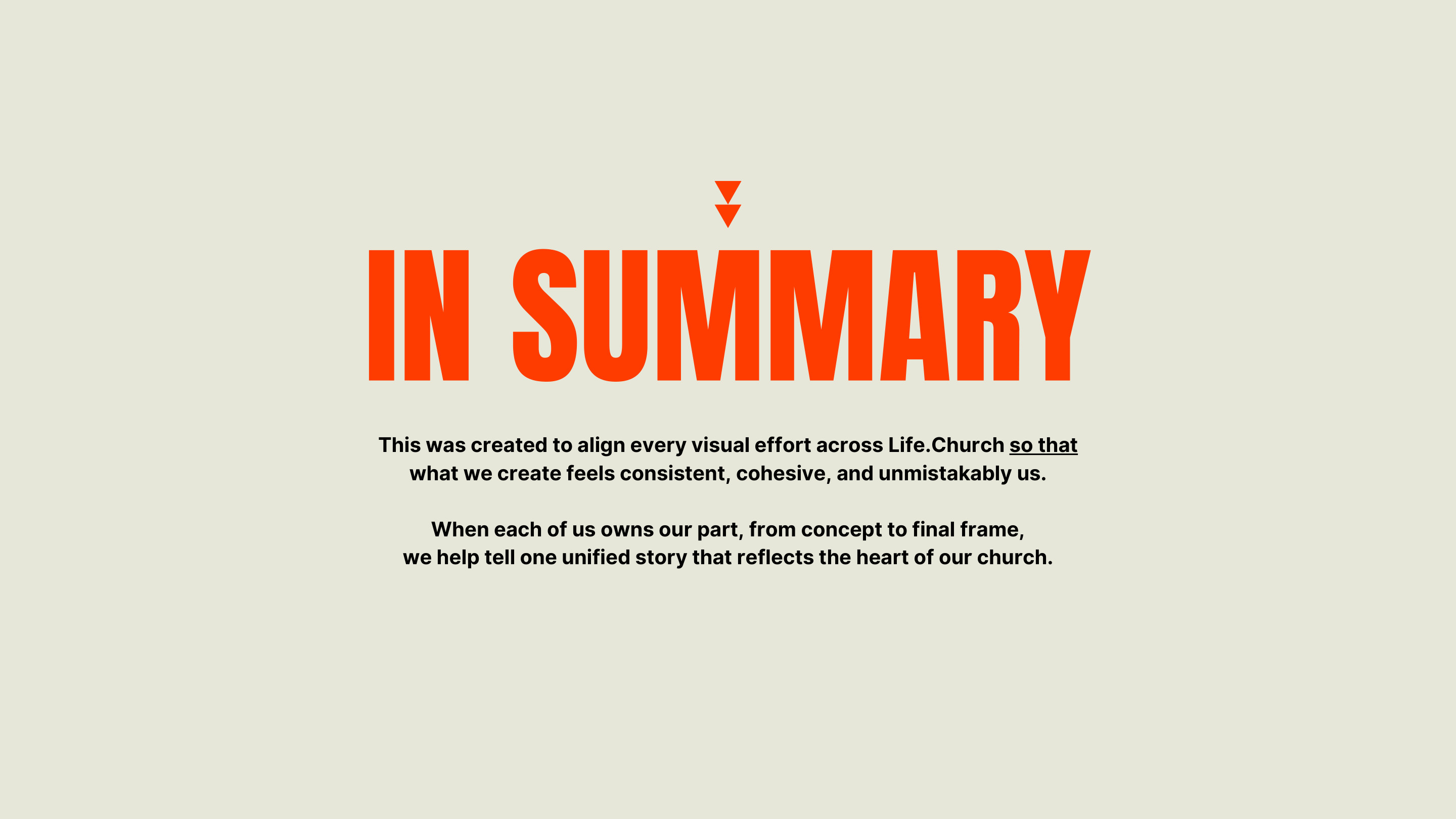



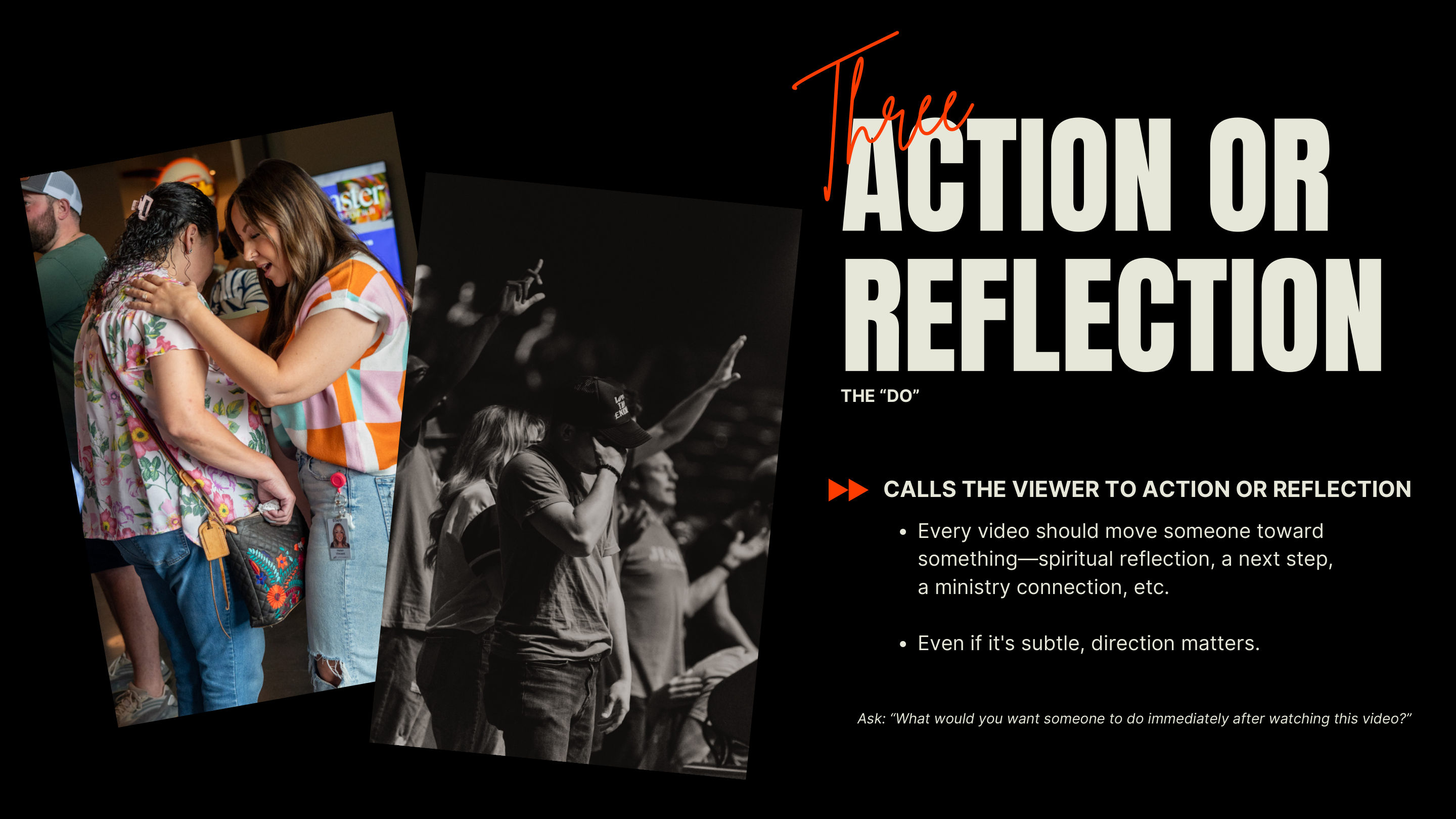


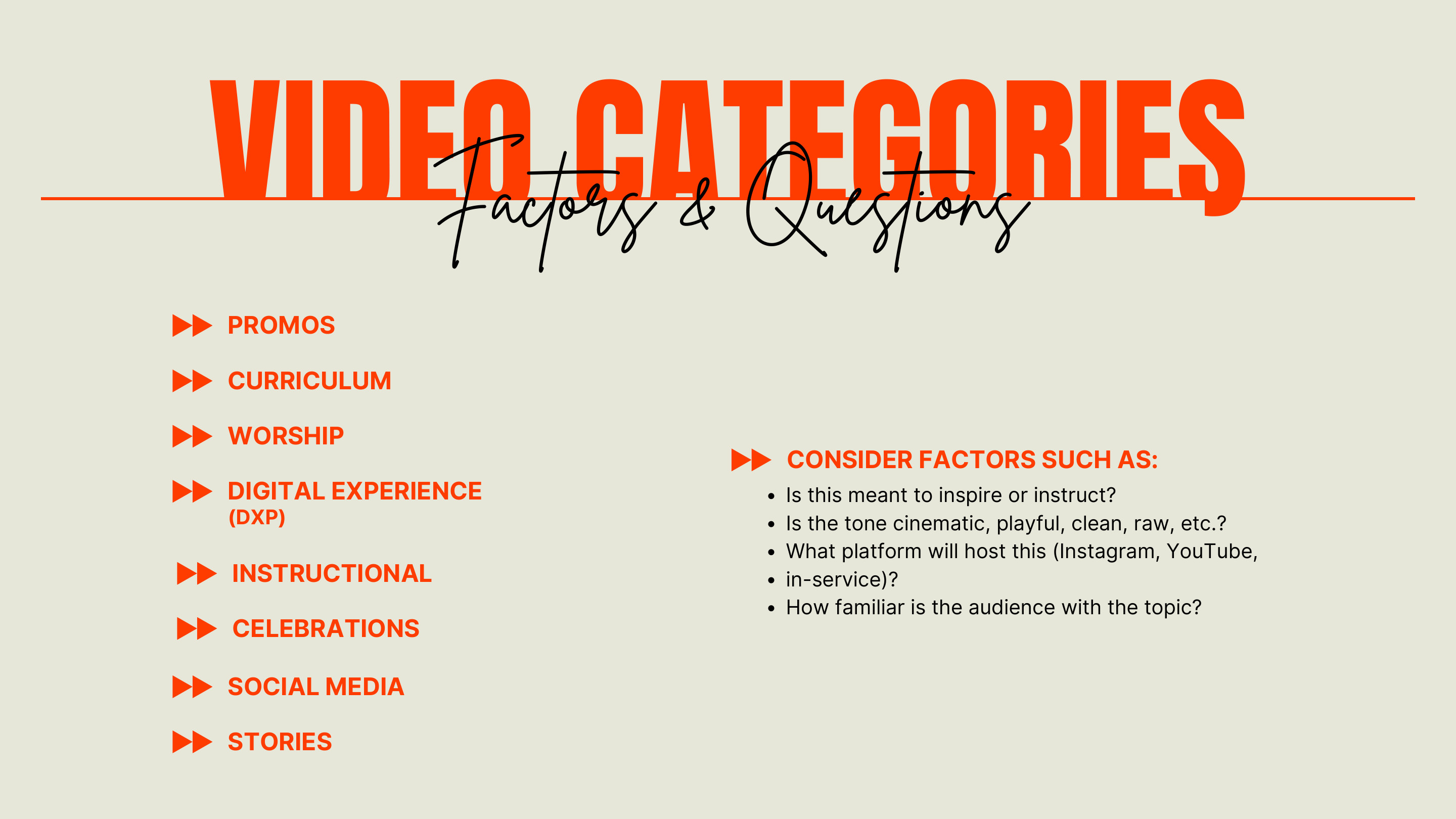
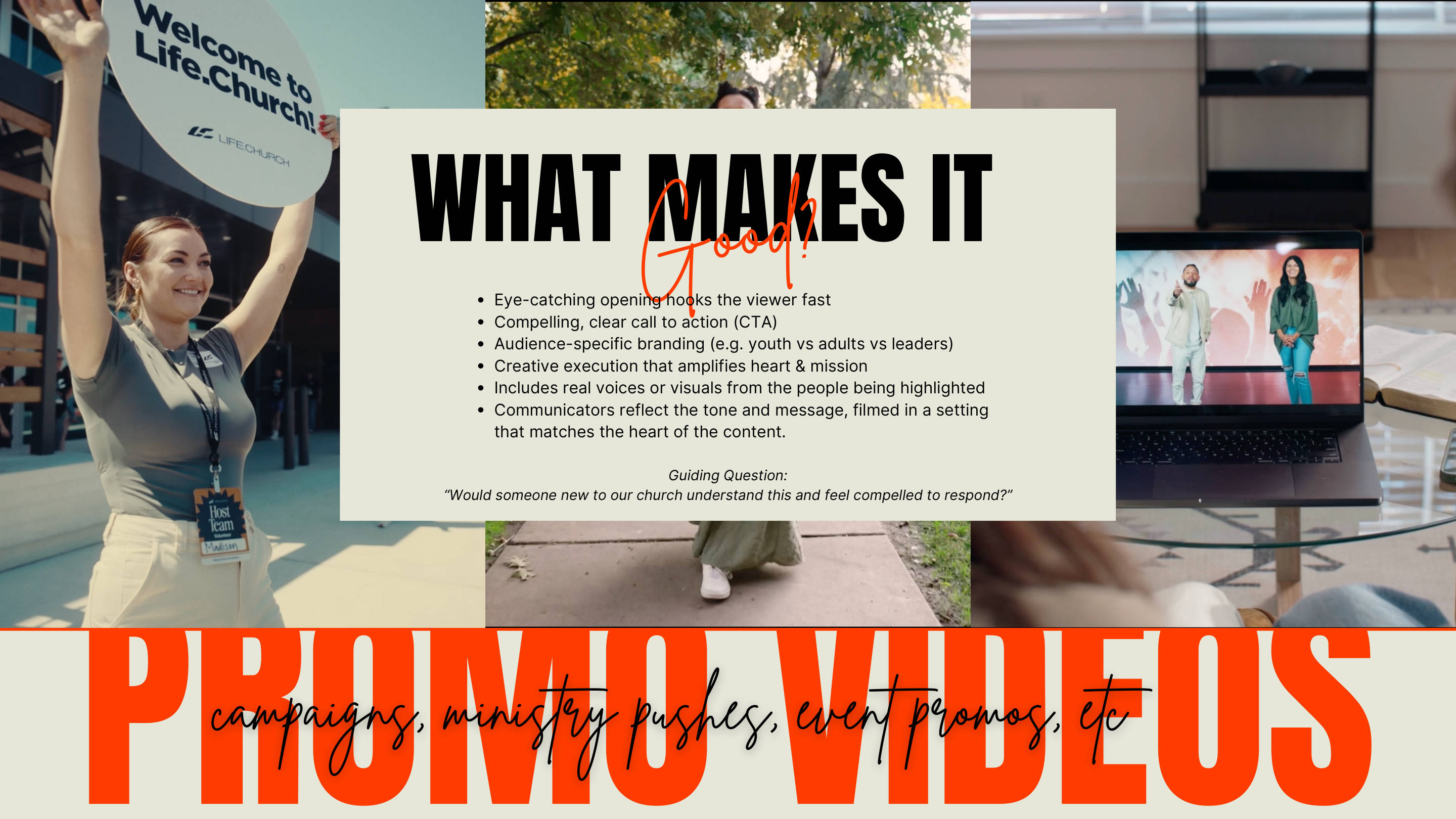


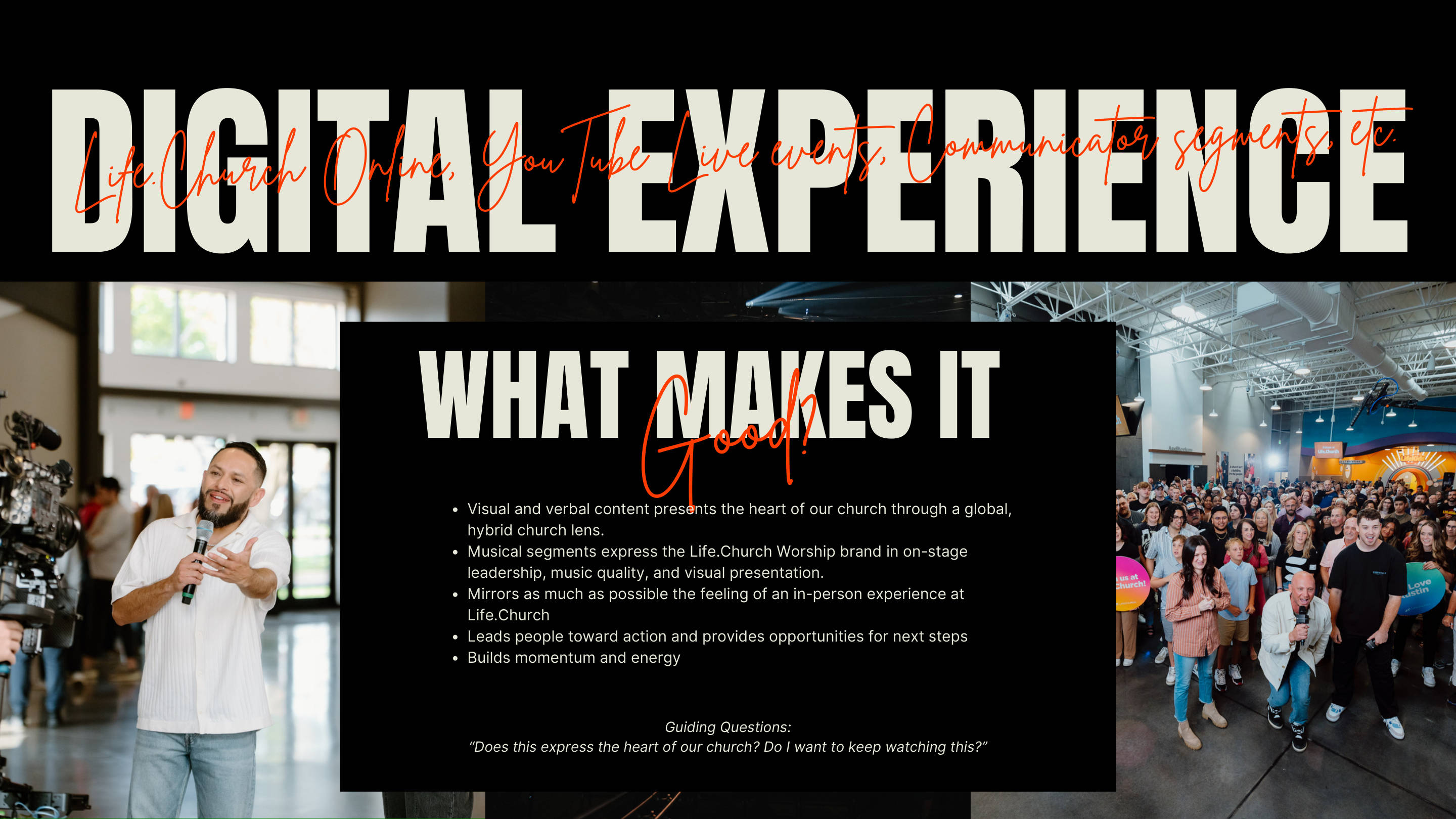
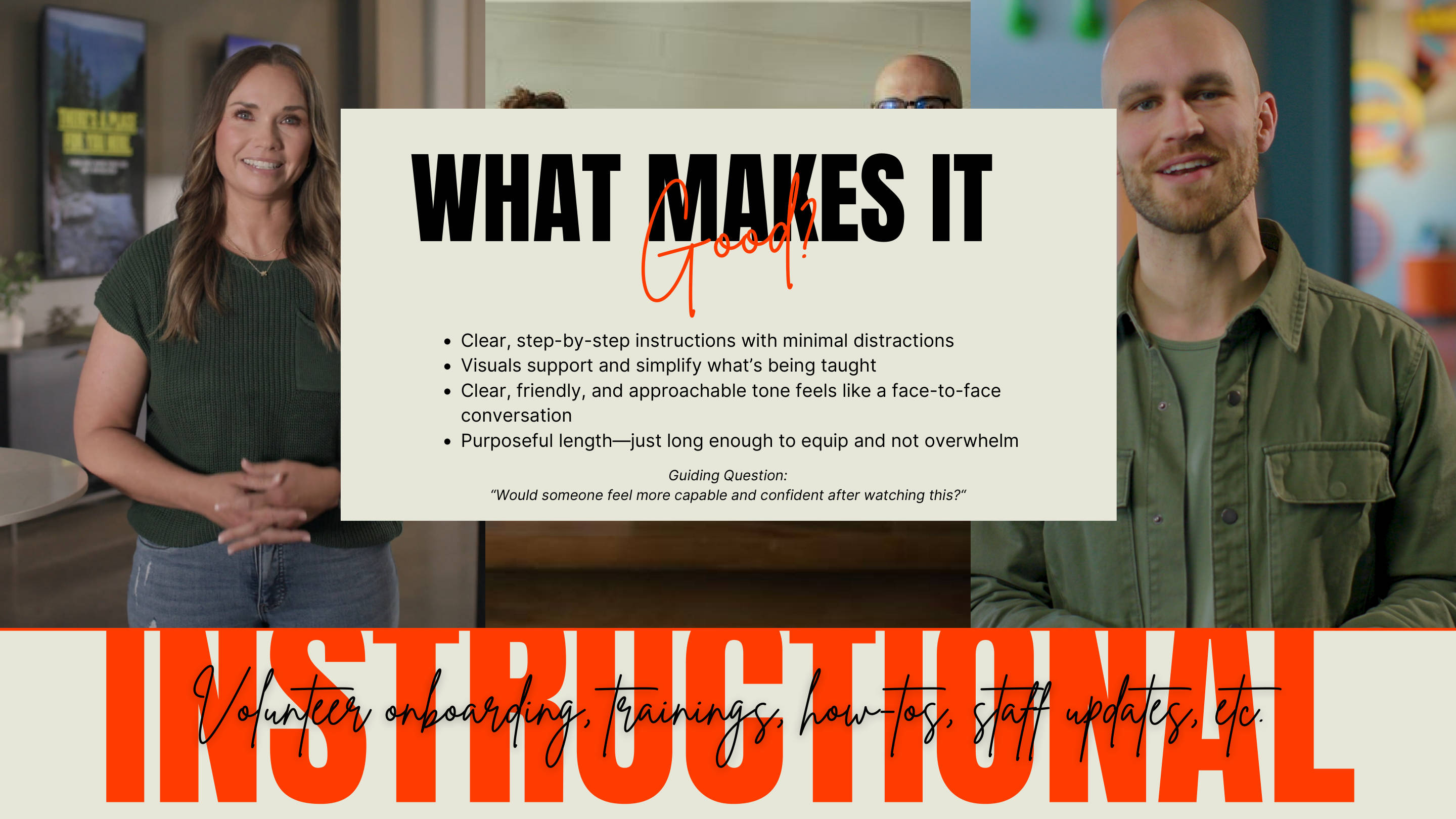

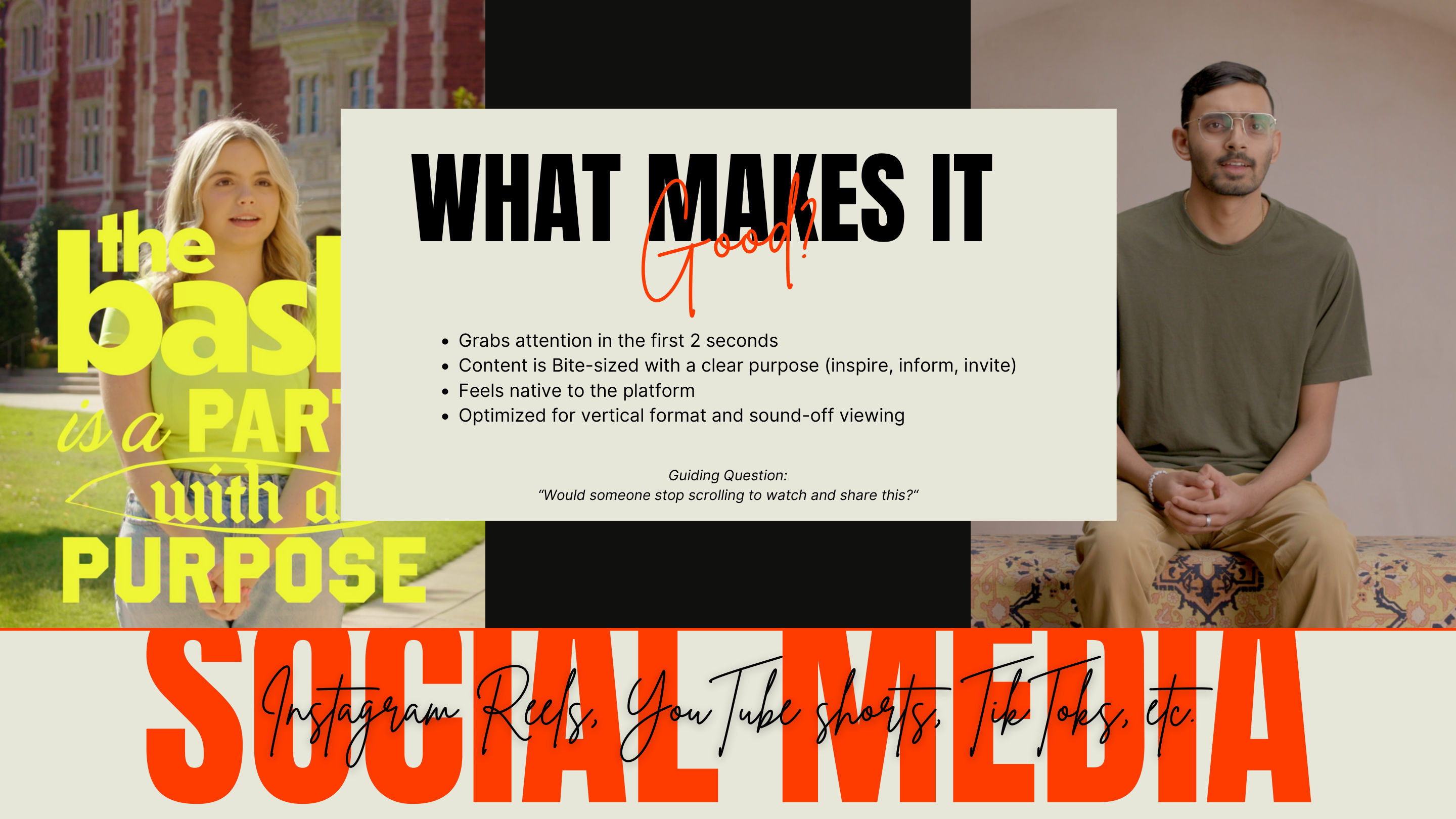
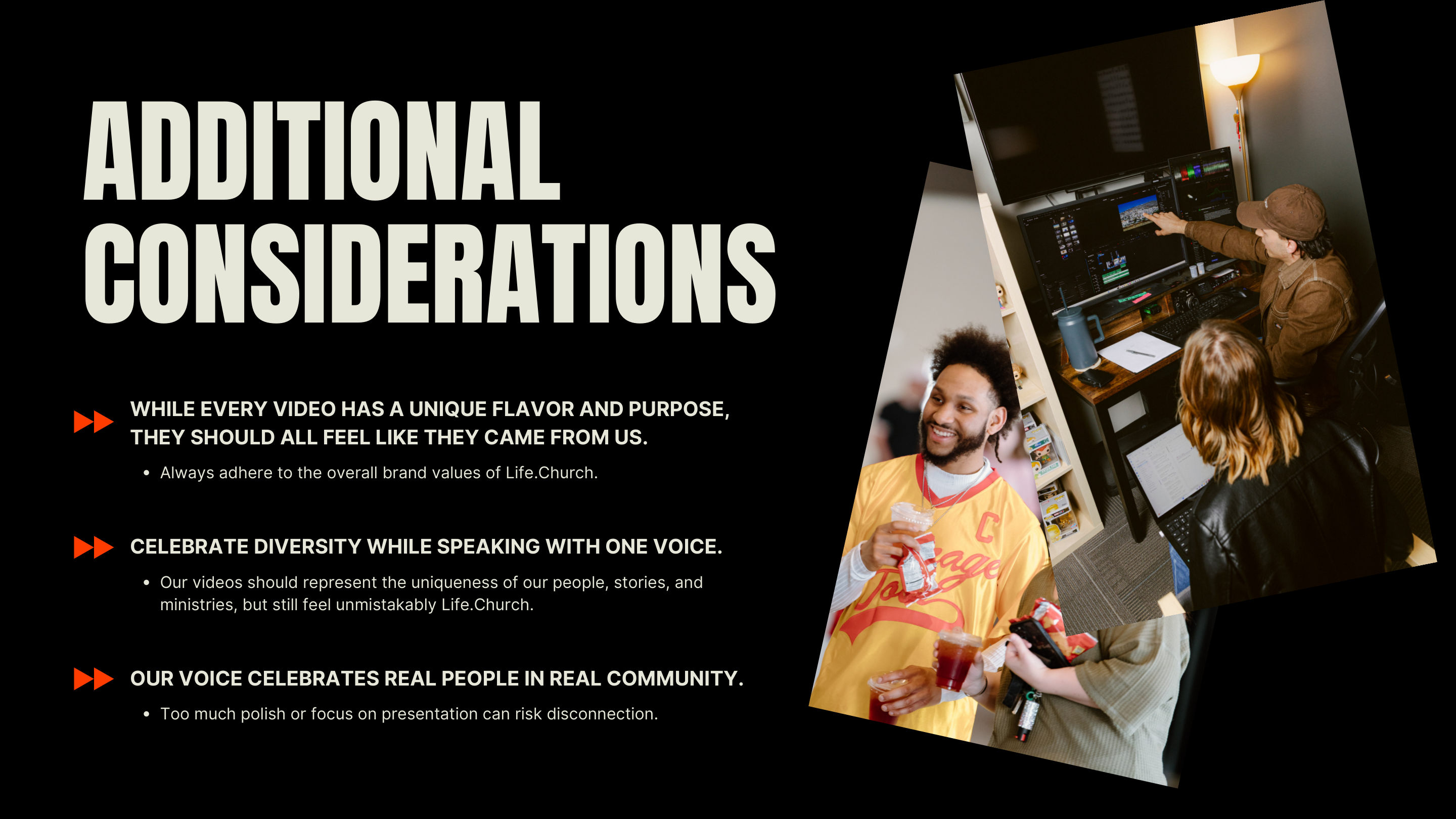

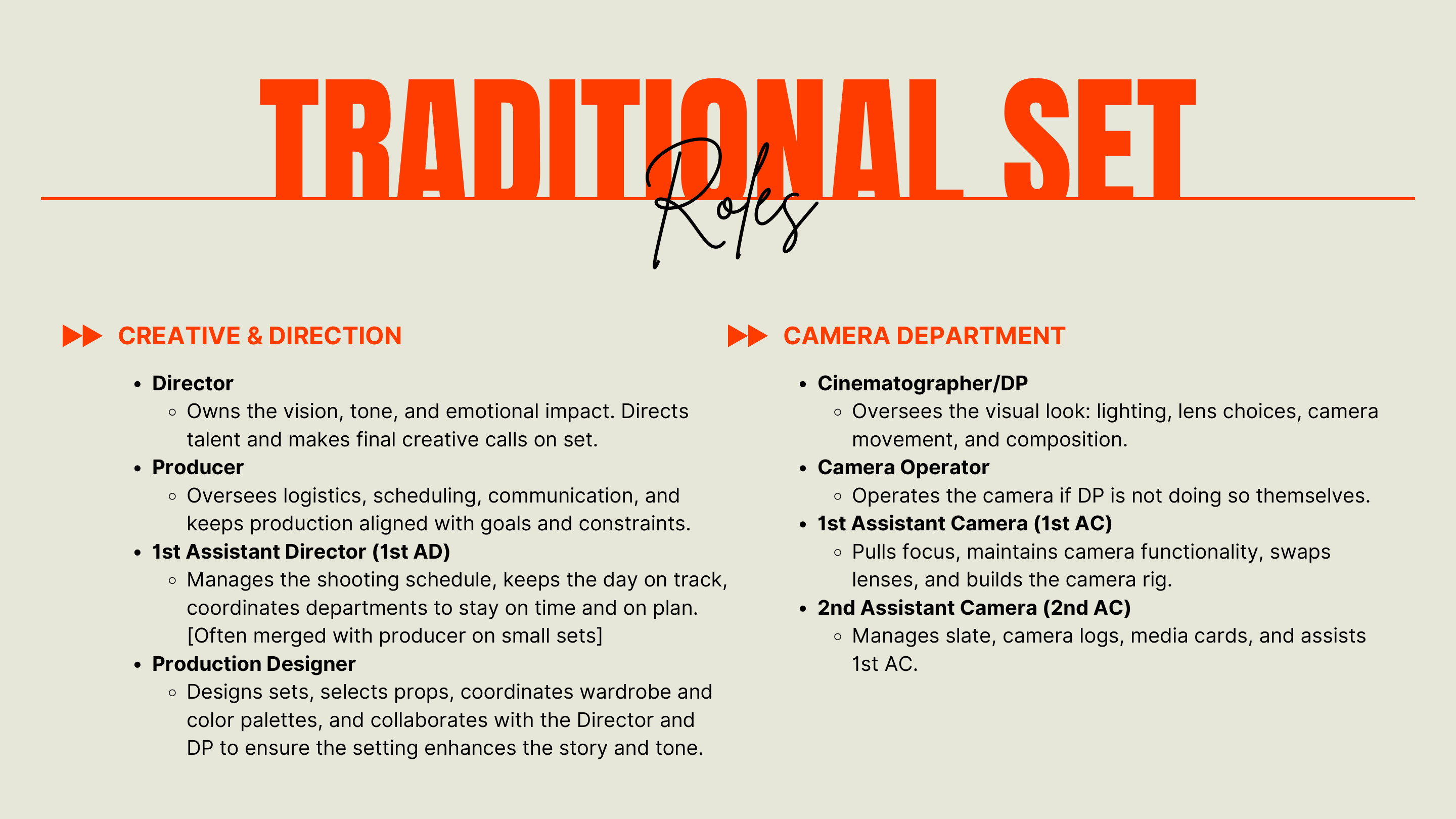
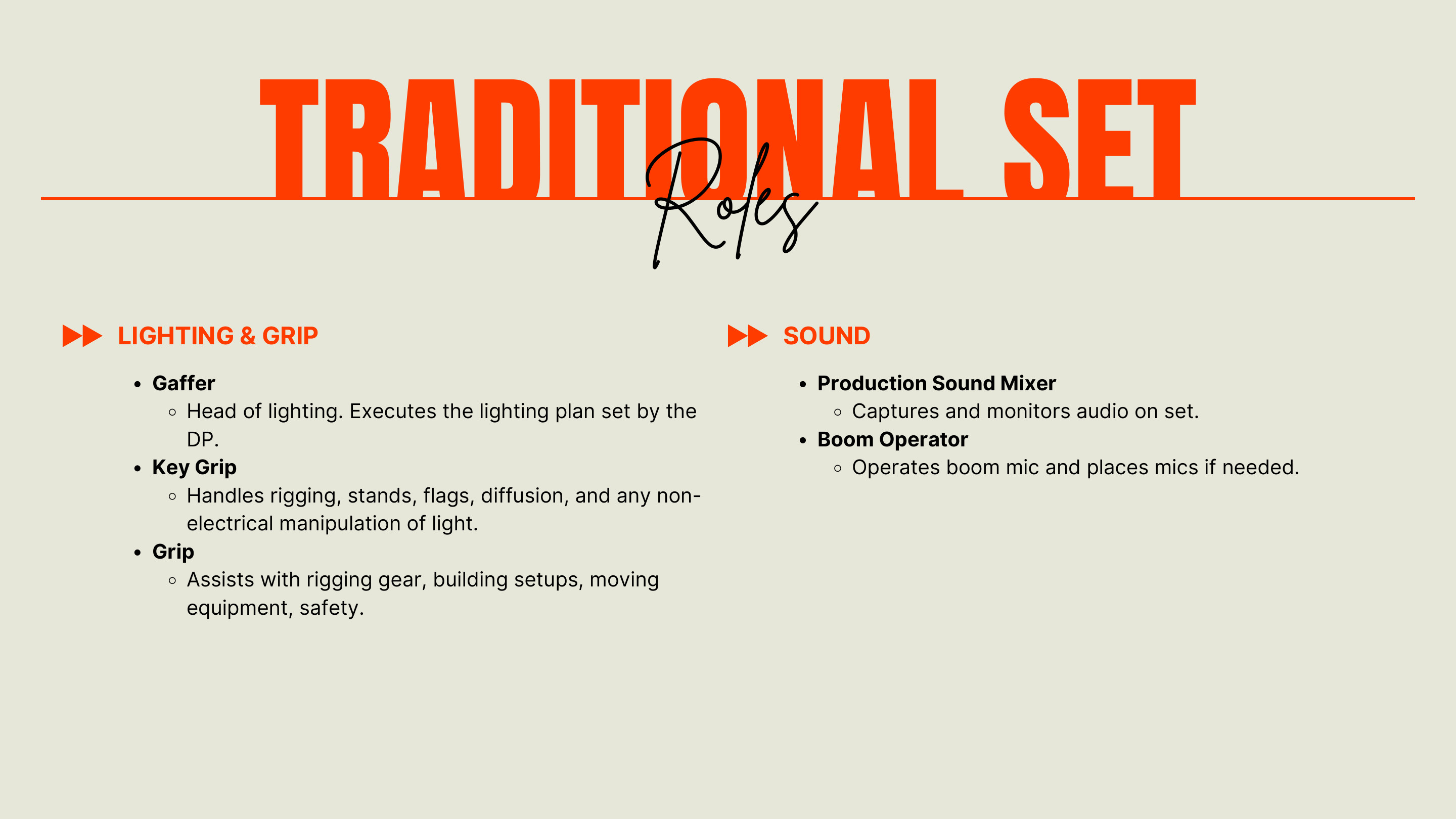
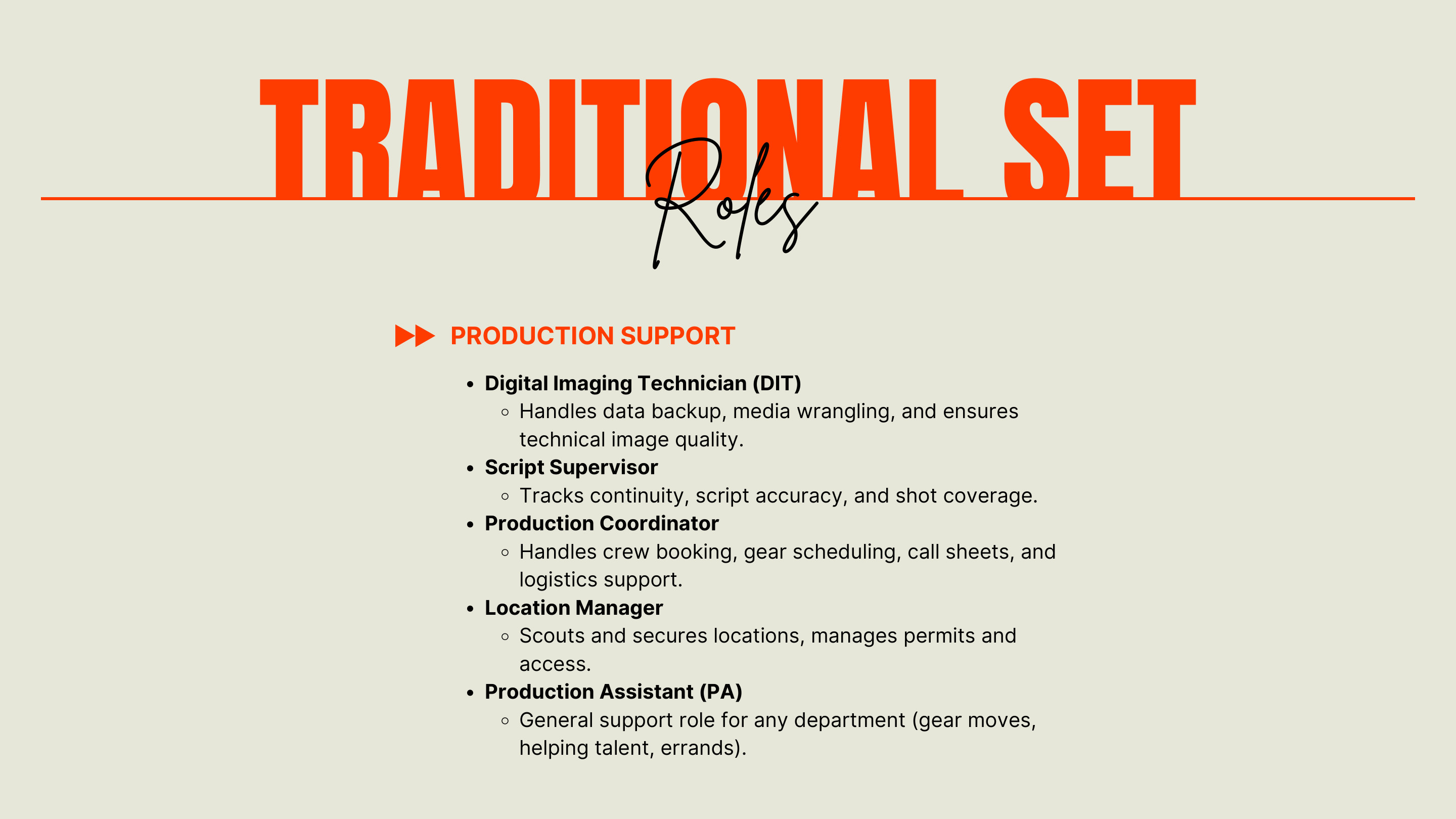
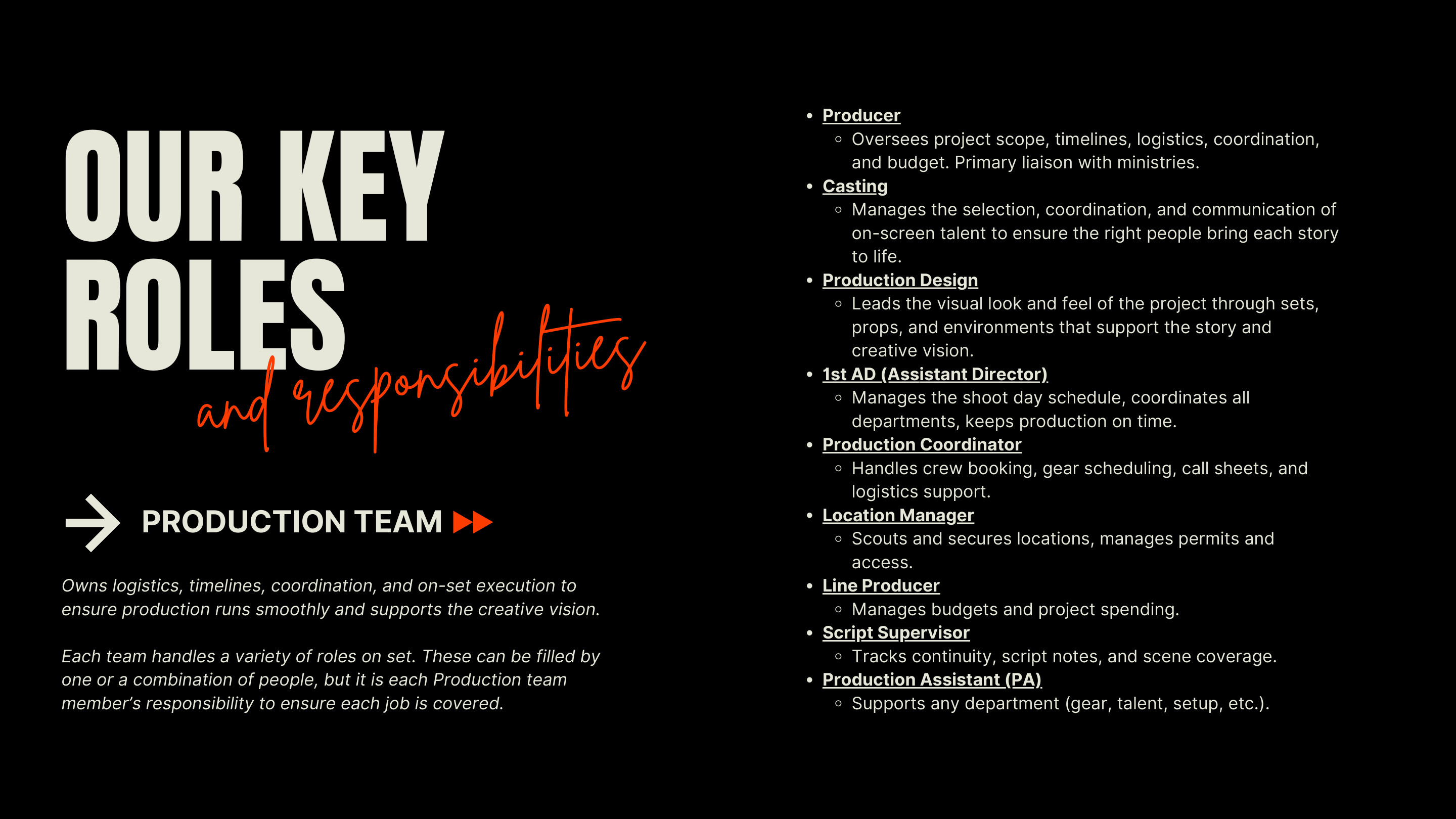
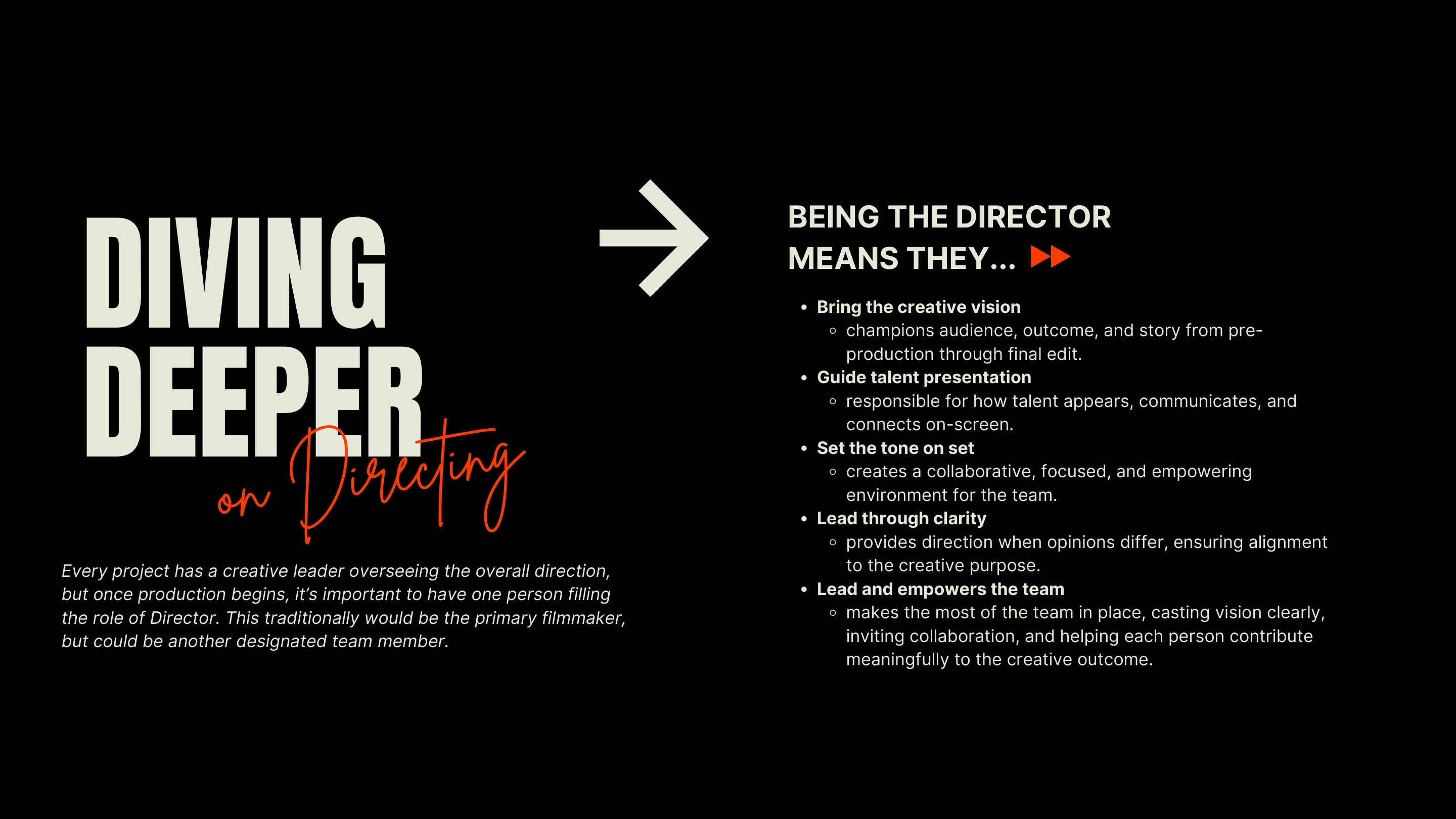

With several Life.Church teams helping execute video content, there were gaps in expectations about what counted as “good” in the end product. The goal was to sit down with leaders across those teams, let them speak into what makes a video good, and come out with clear expectations globally and alignment on how we get there.
From there, I set up meetings with those leaders to work through the different expectations and opinions, then met with our Creative Director and the Central Group Leader of Creative Media to make sure there was agreement in what we developed. What resulted was this presentation, which we brought to all the teams.
Because there are so many categories of video, and so many ministries we produce it for, the framework breaks into categories, each with its own funnel of thought for settling what good means in that context. Every category lands on one guiding question a creative can ask to make sure what they make holds to the standard. It closes with how sets and responsibilities get assigned, because clarity on who owns what is what protects the quality of the final product.
-
Legacy Creative
 View all 21 slides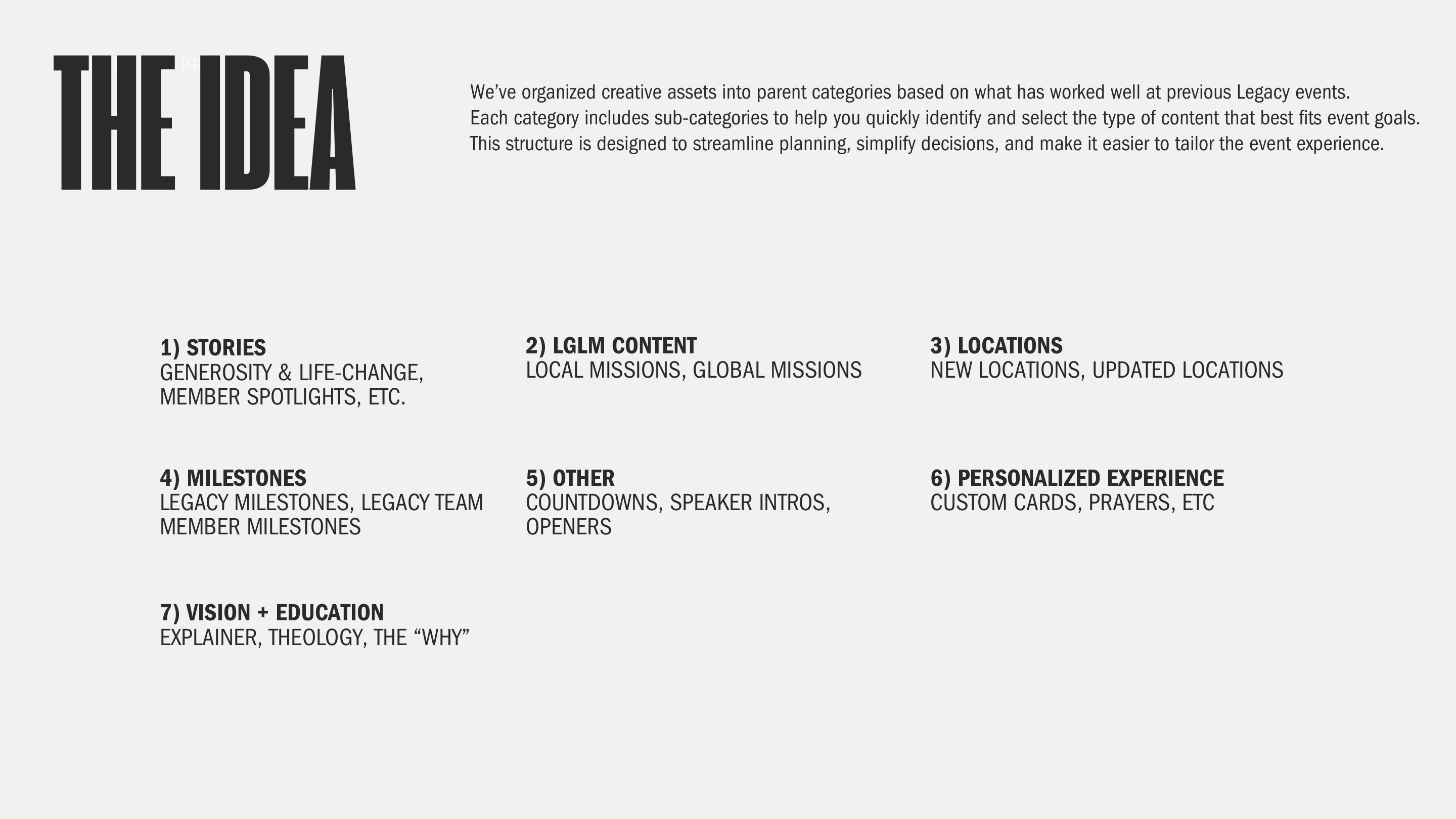

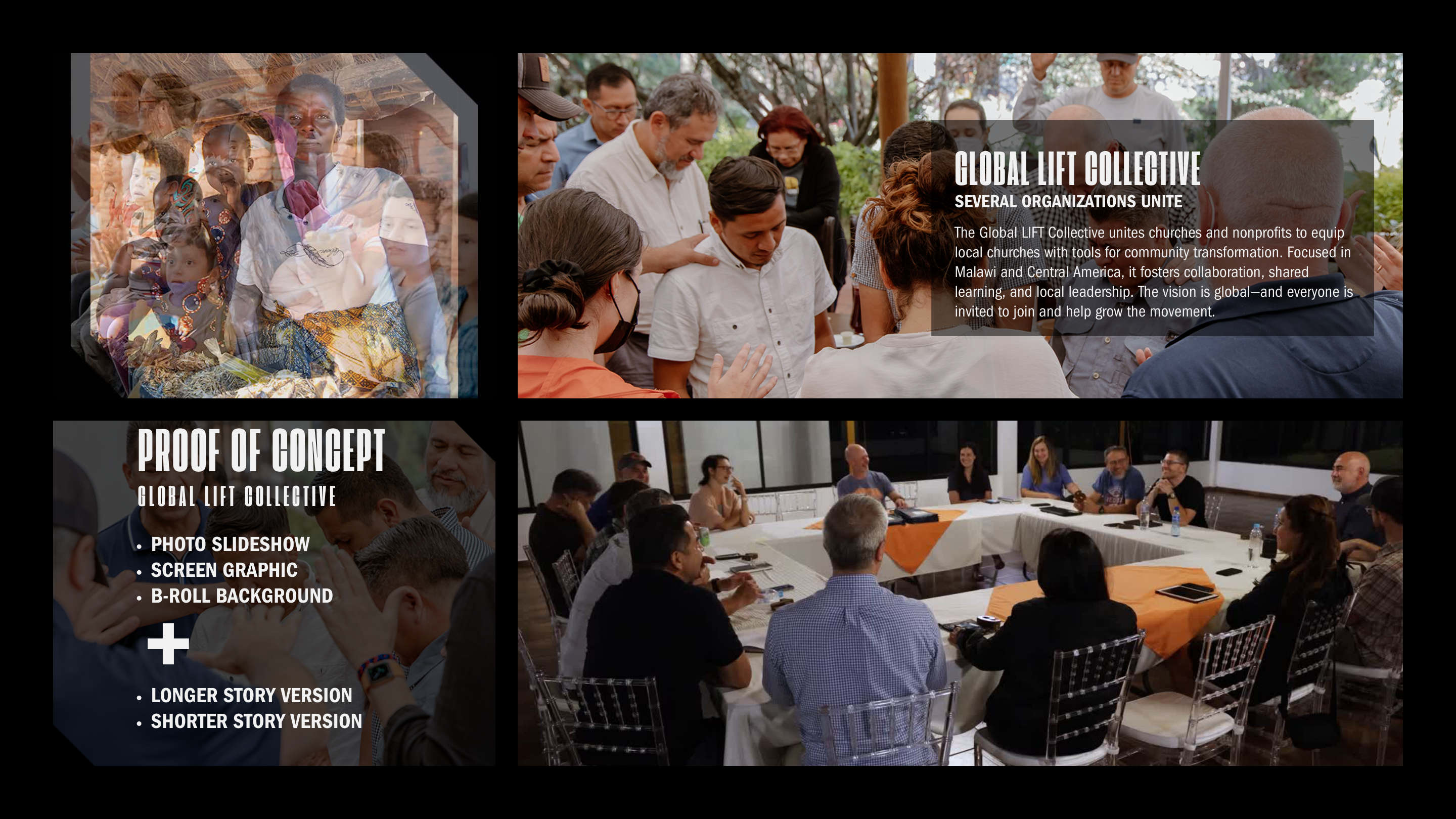
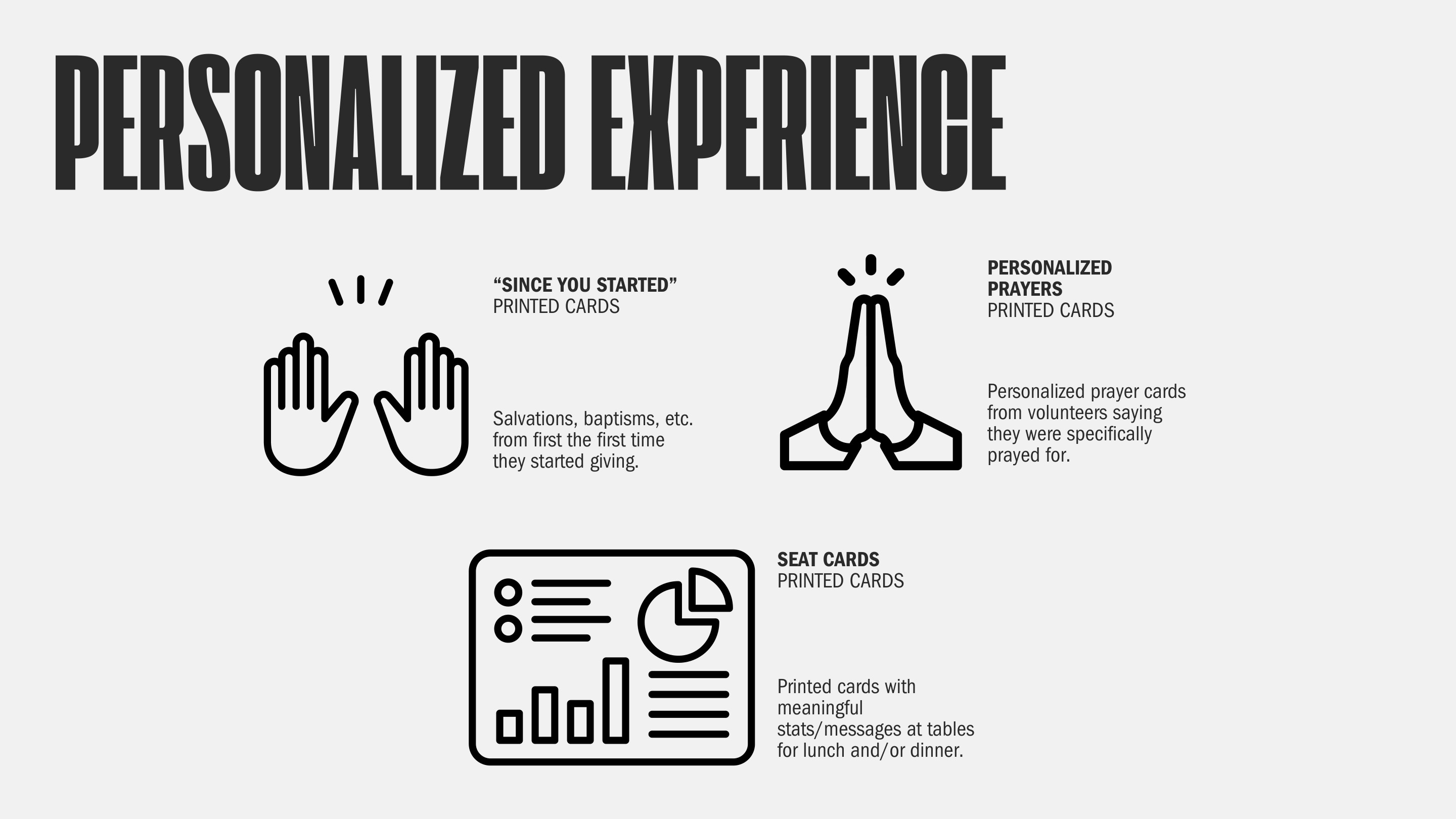
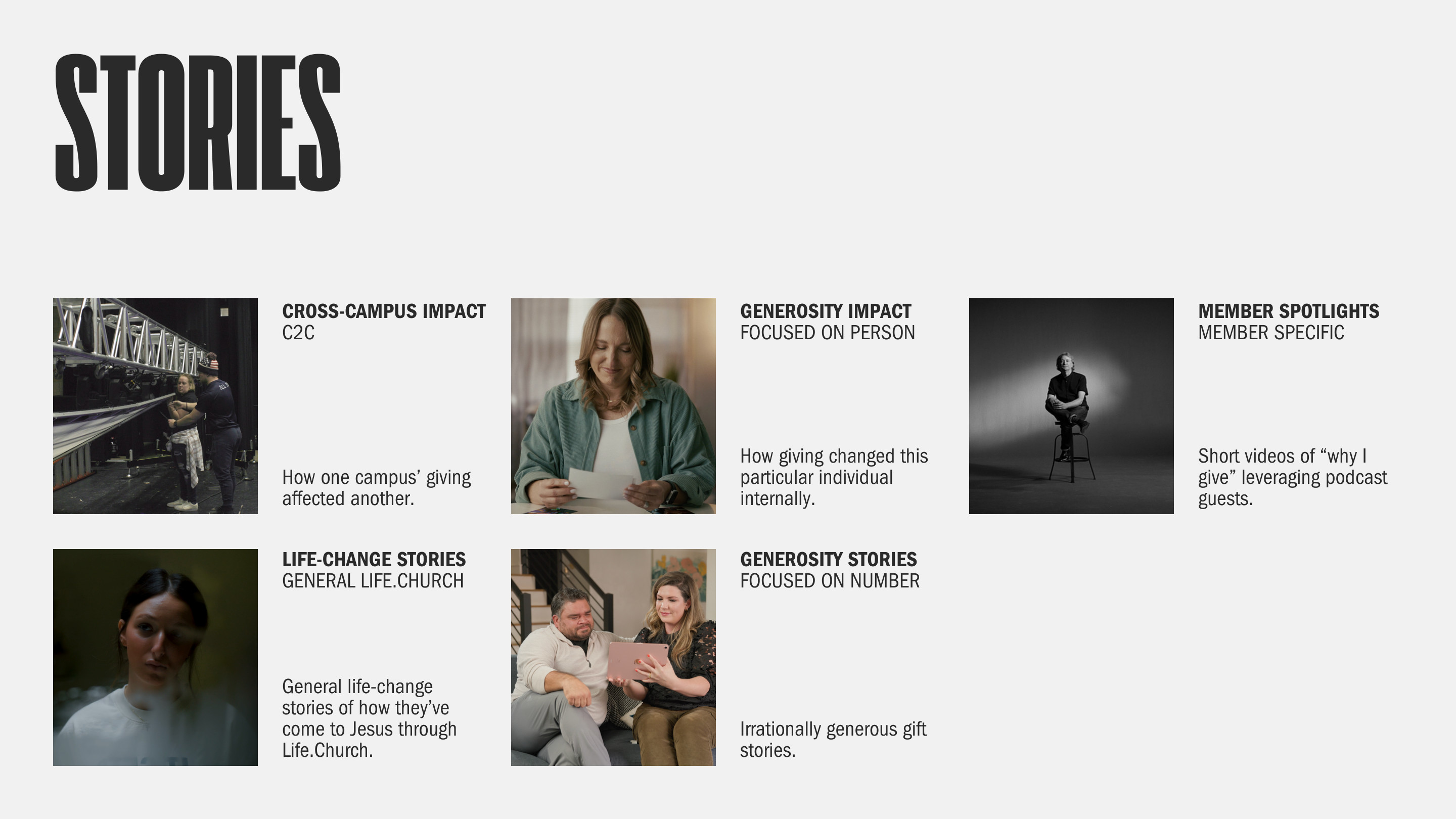
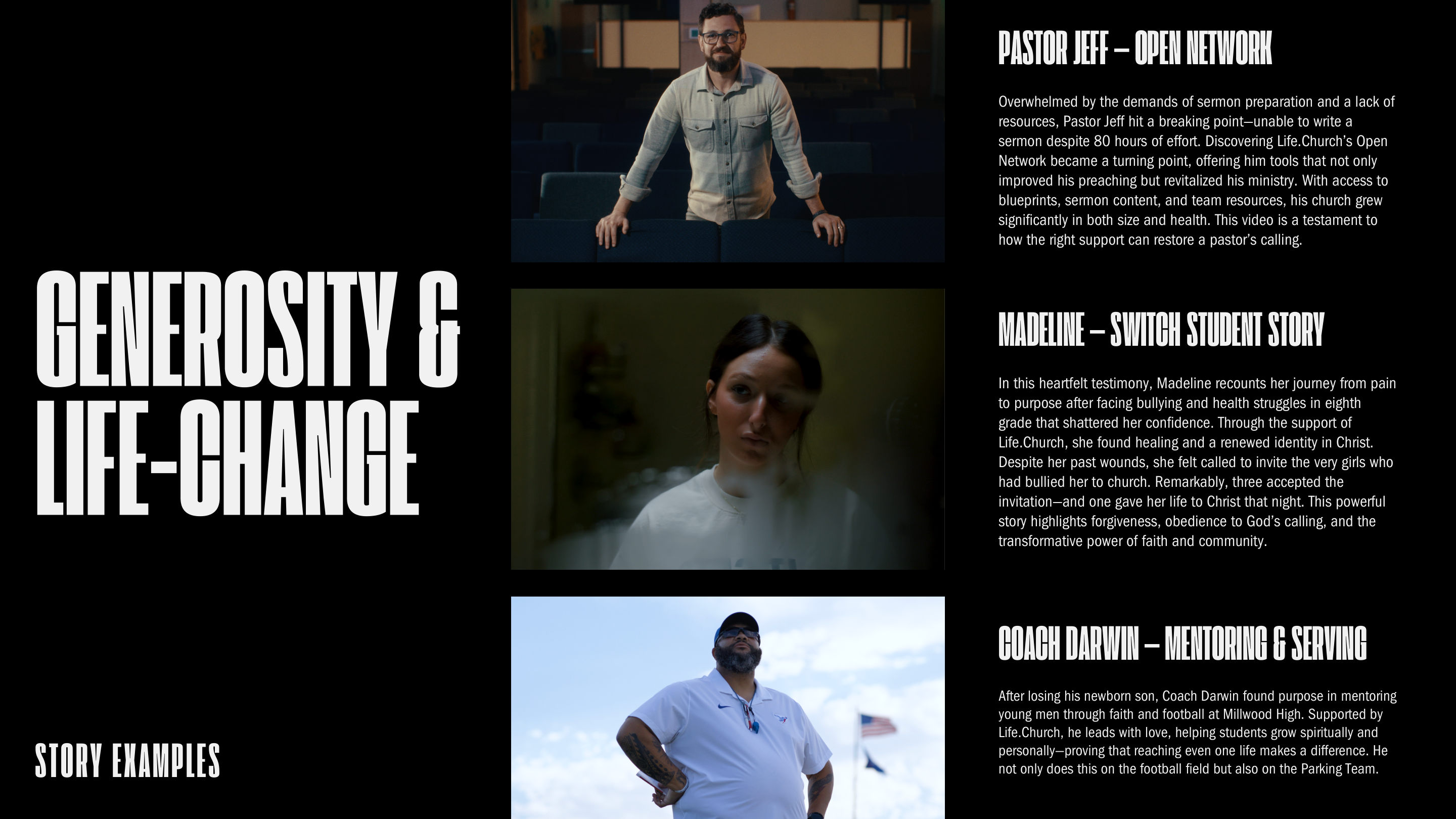


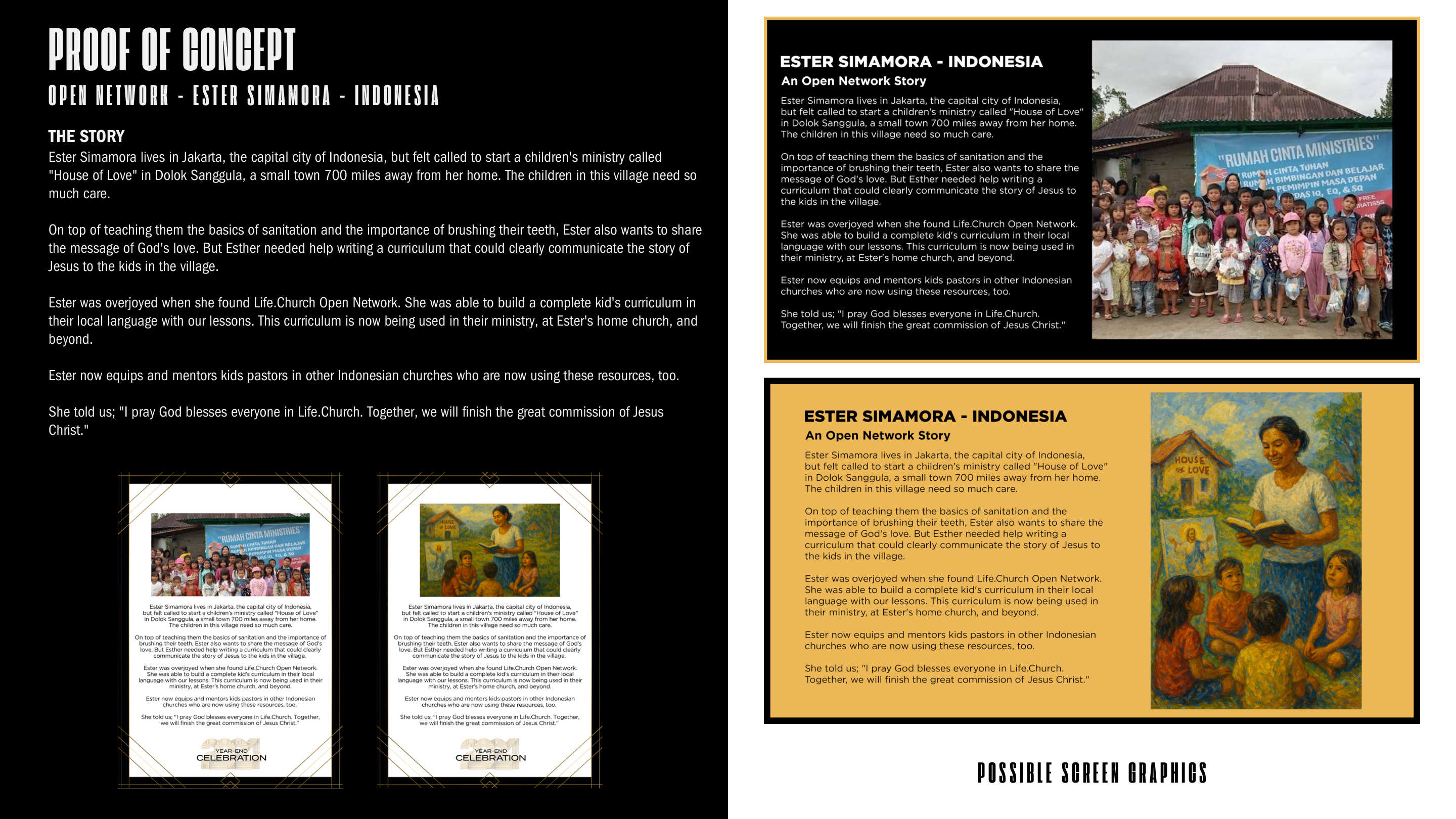


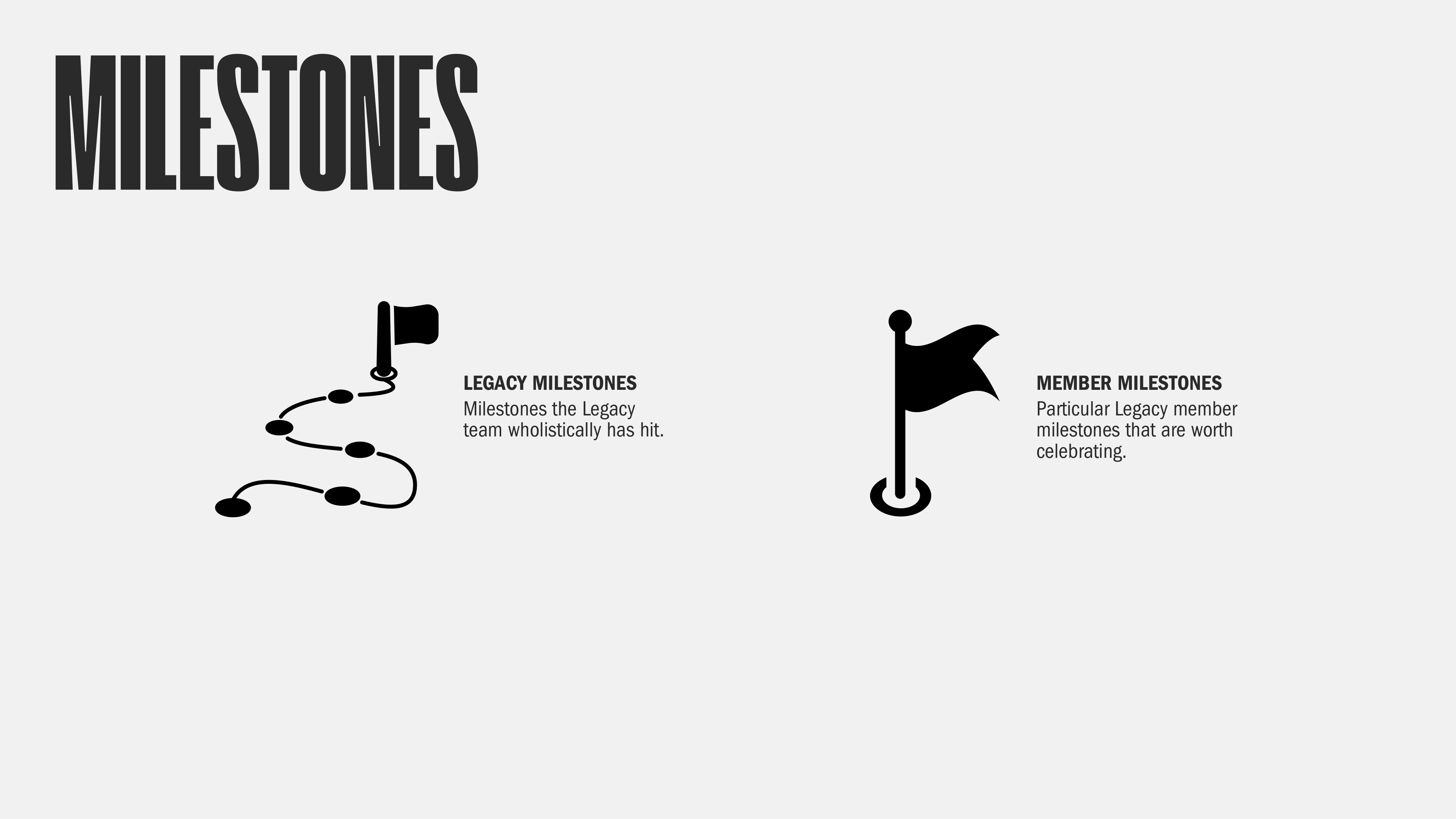

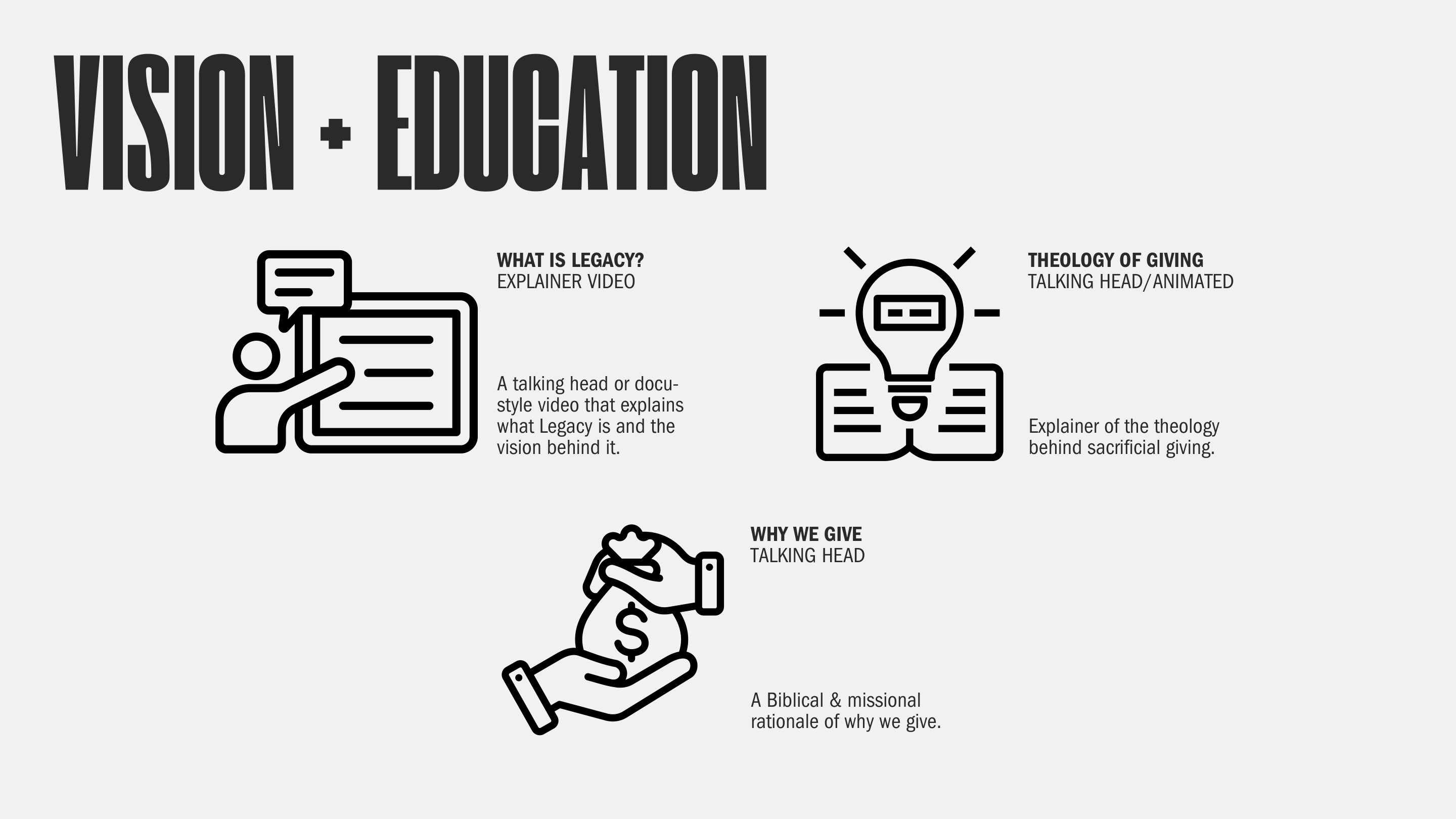
The Legacy Team hosts an event every year for top givers within the organization, to show what Life.Church is doing, has done, and will do. Those things come through video content, slides, and speakers from across our organization, especially the Directional Leadership Team.
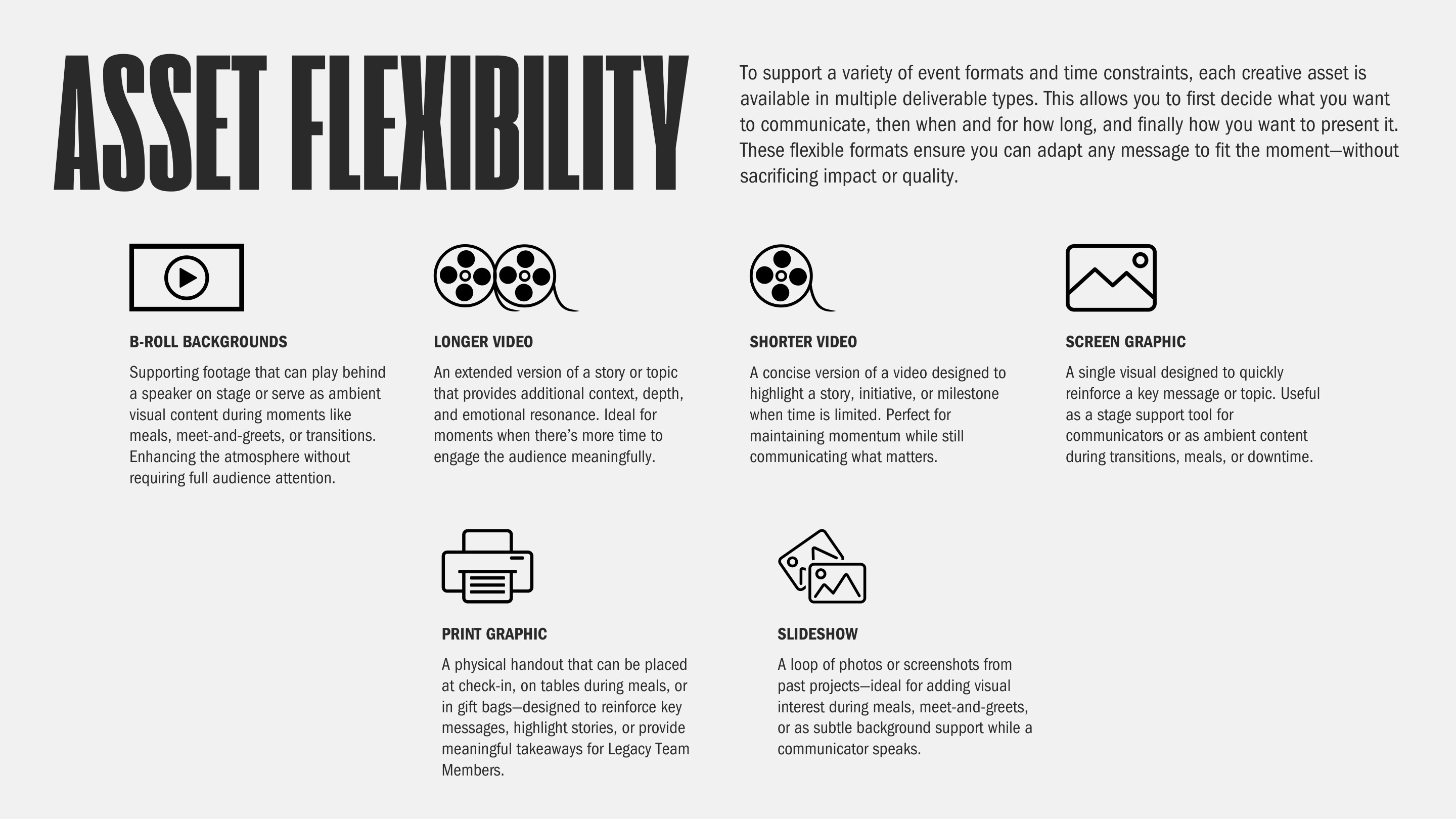
The Legacy Team came to me with a problem they wanted to solve. They needed a system, and deliverables, that could be decided at a moment’s notice based on the speaker and the strategy of the event itself. Essentially, they needed options at the ready, built around the people running the event and the people speaking at it. That meant we had to have the right content, presented in the right way, showing the impact clearly.
From this, I developed a framework they draw from, a shared language and a toolbox of assets that meets the needs of the event and the people who put it on. Now the way we communicate specific initiatives, and the ways we serve our church and the capital “C” Church, is clear, and flexible enough to lock in on short notice.
-
Filmmaking Notion Workspace
The workspace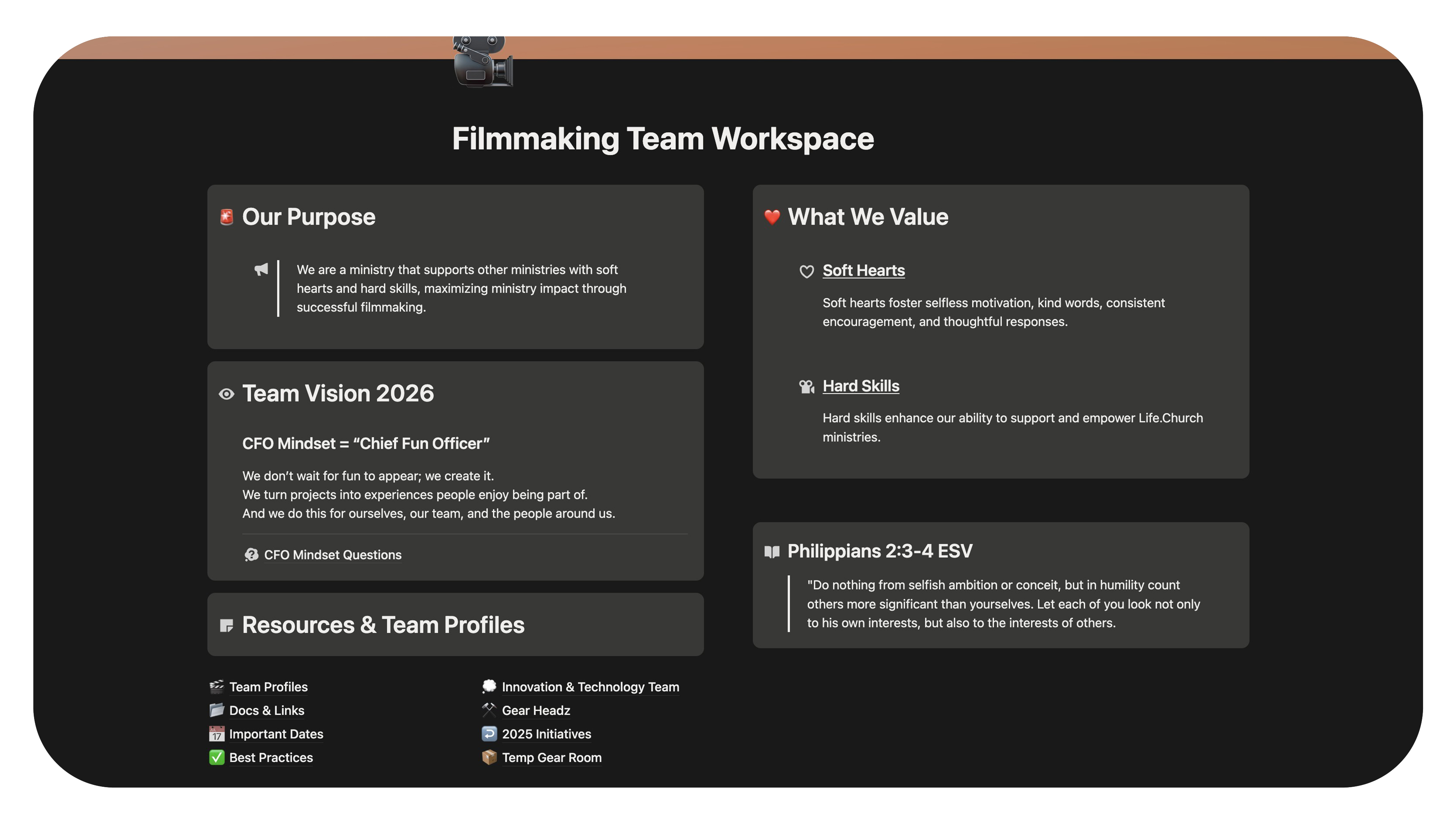 View all 7 slides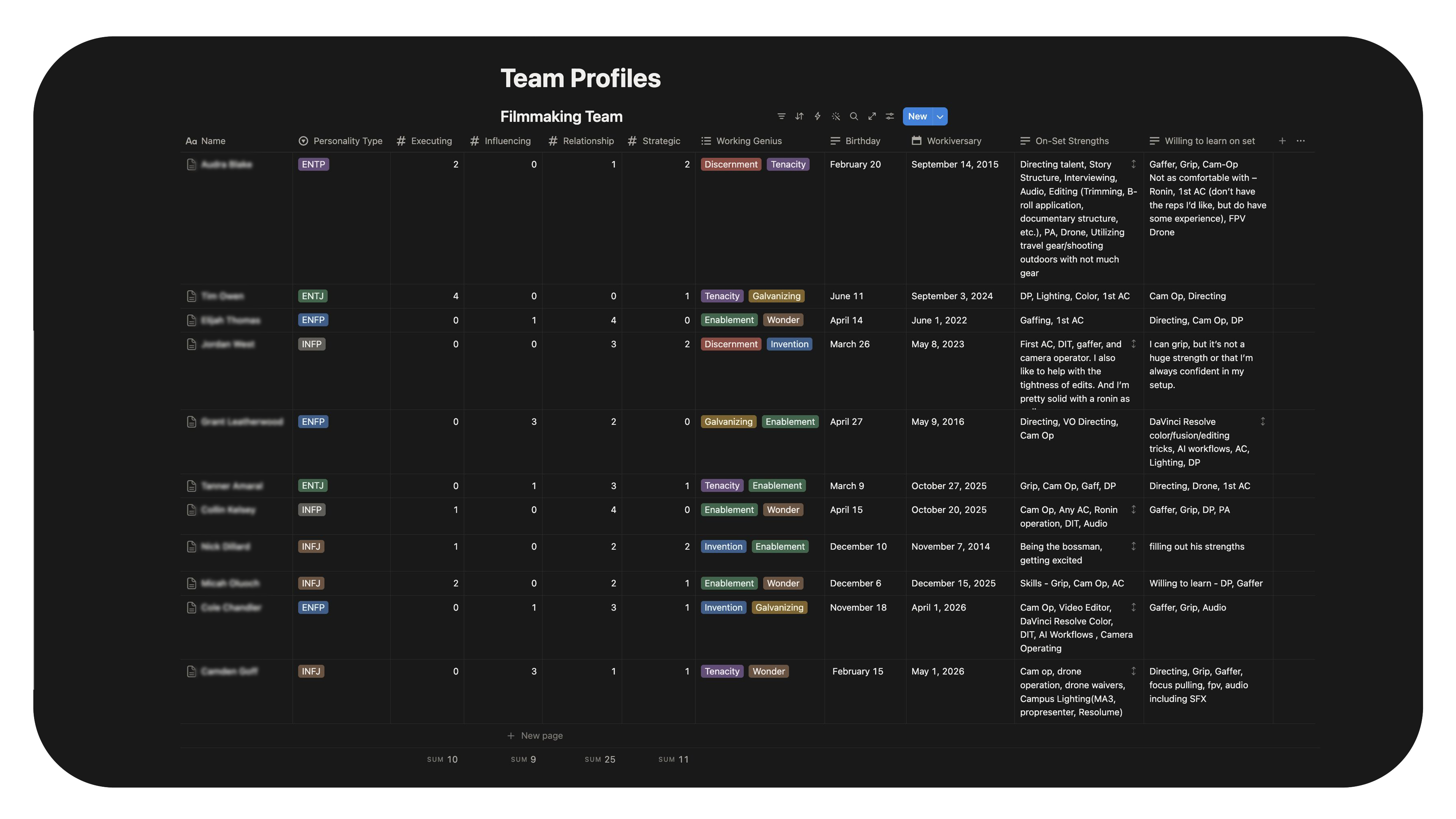



Our information used to live in different spots. Dropbox Paper links, Google Docs, Google Sheets, staff pages, or not written down at all. This was our fix to that.
We created a Notion workspace that houses all of our information in one place, so we have one direct line to what we need. It sped up finding things, and did it in a way that is intuitive and better looking. We built it to remind us why we exist, what we value, and what we need to know to make good decisions.
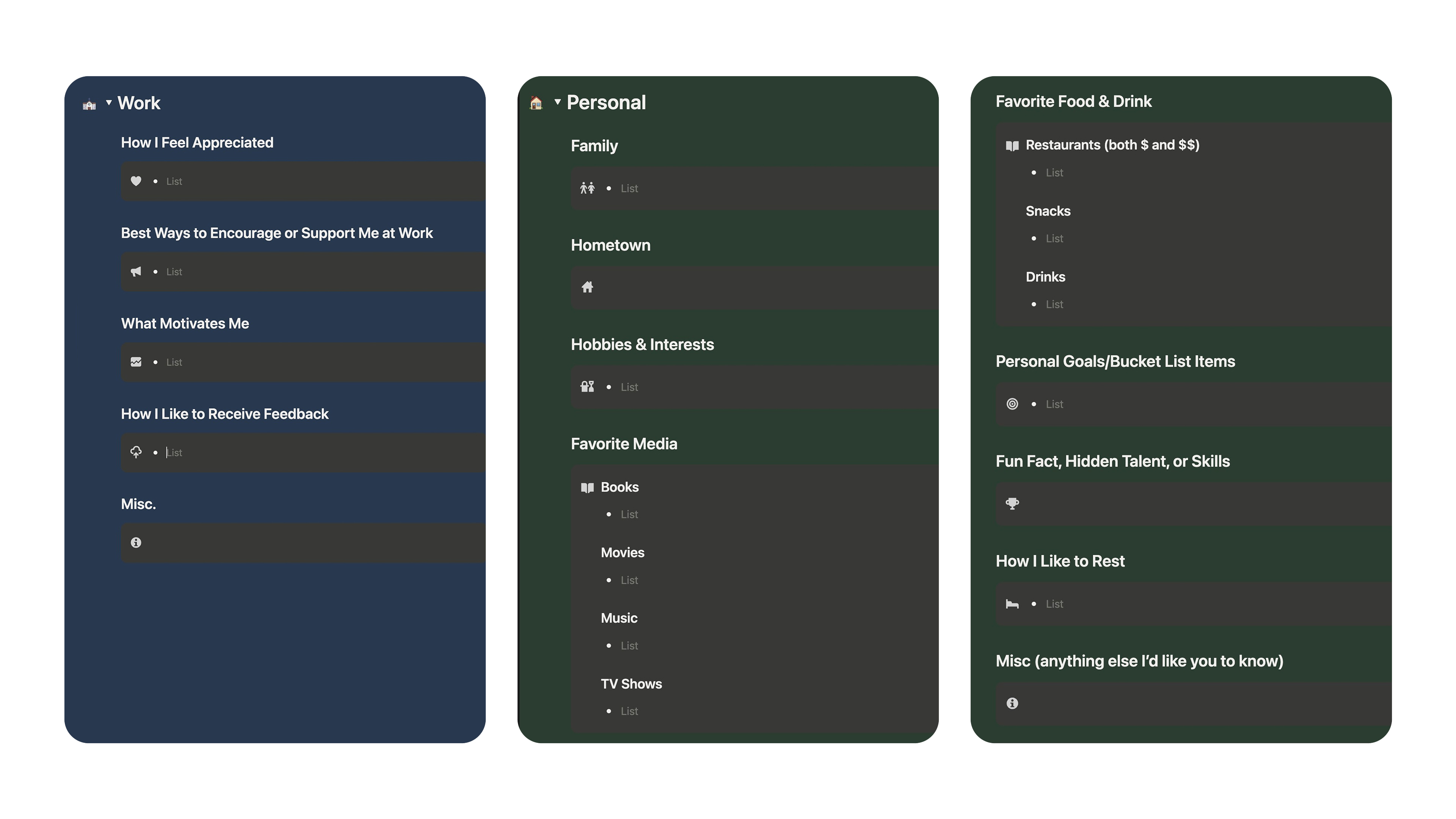
We use it to clarify best practices on the team, onboarding for new filmmakers, and key dates for both our team and general Life.Church events. It also holds ways to know more about the individuals on our team, and the team as a whole, so we can care for them better, get to know them better, and lean into our strengths while recognizing our weaknesses.
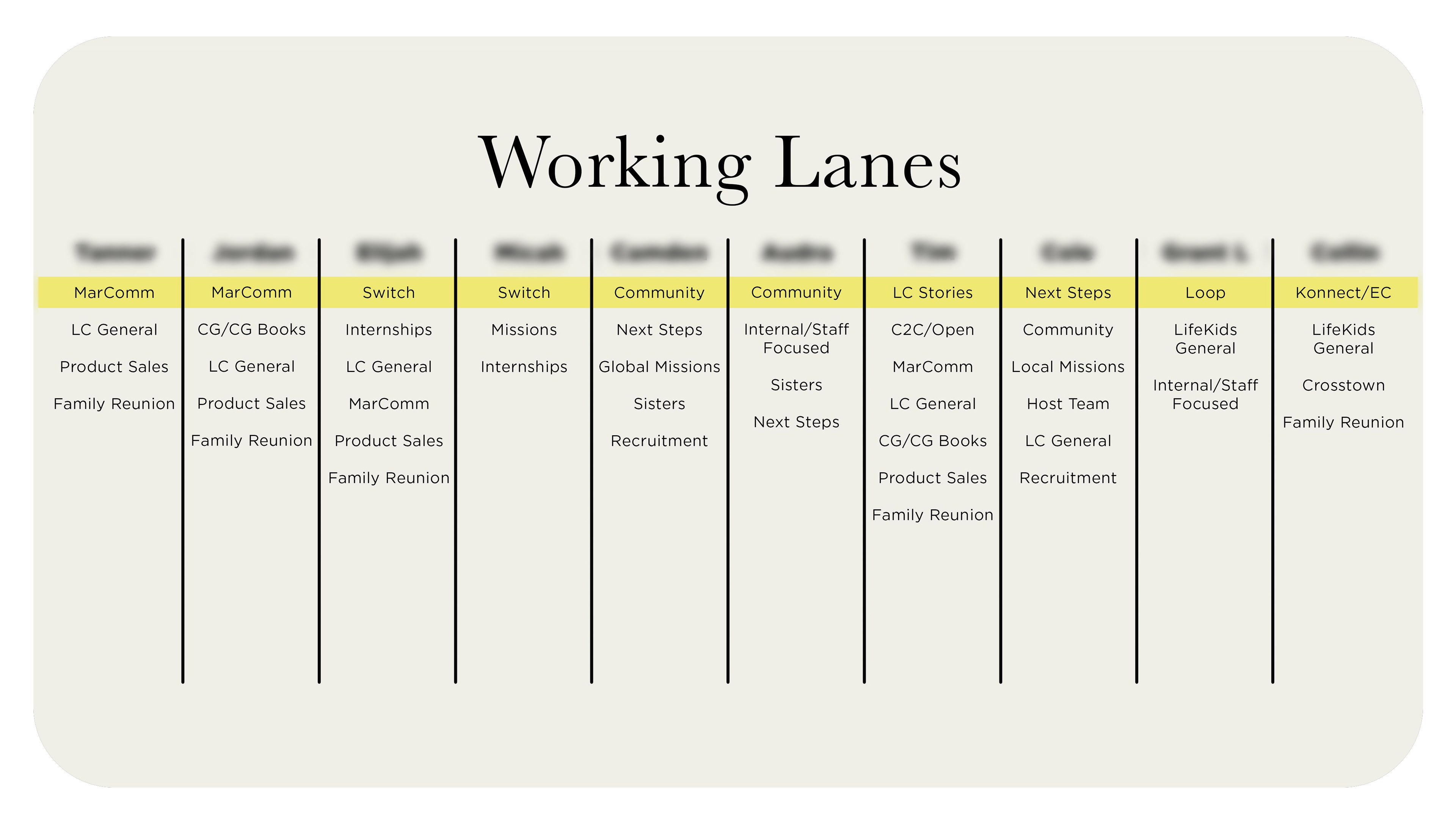
We use it to show what lanes each filmmaker operates in. That means clarity on which ministries belong to which filmmaker, as their highlighted ministry, so they can develop deep relationships with those stakeholders and be a creative extension of that ministry. It gives project managers the same clarity about which projects should go to which filmmaker, based on their passions and strengths. That creates margin for me. Project managers have a decision-making framework instead of a question every time a ministry request comes through.
We house a lot of internal organizational information here too, curated into one place for filmmakers to explore.
Each filmmaker also has their own Claude account connected to this Notion workspace, so they can type in a question and get an answer in seconds. Faster answers about what they need, and not dependent on a particular person or whether that person is free.
This has given us a shared knowledge that is easy to access and streamlined enough to give the right information at a moment’s notice, no matter the time or circumstance.
-
2025 Vision & Initiatives
The presentation View all 20 slides




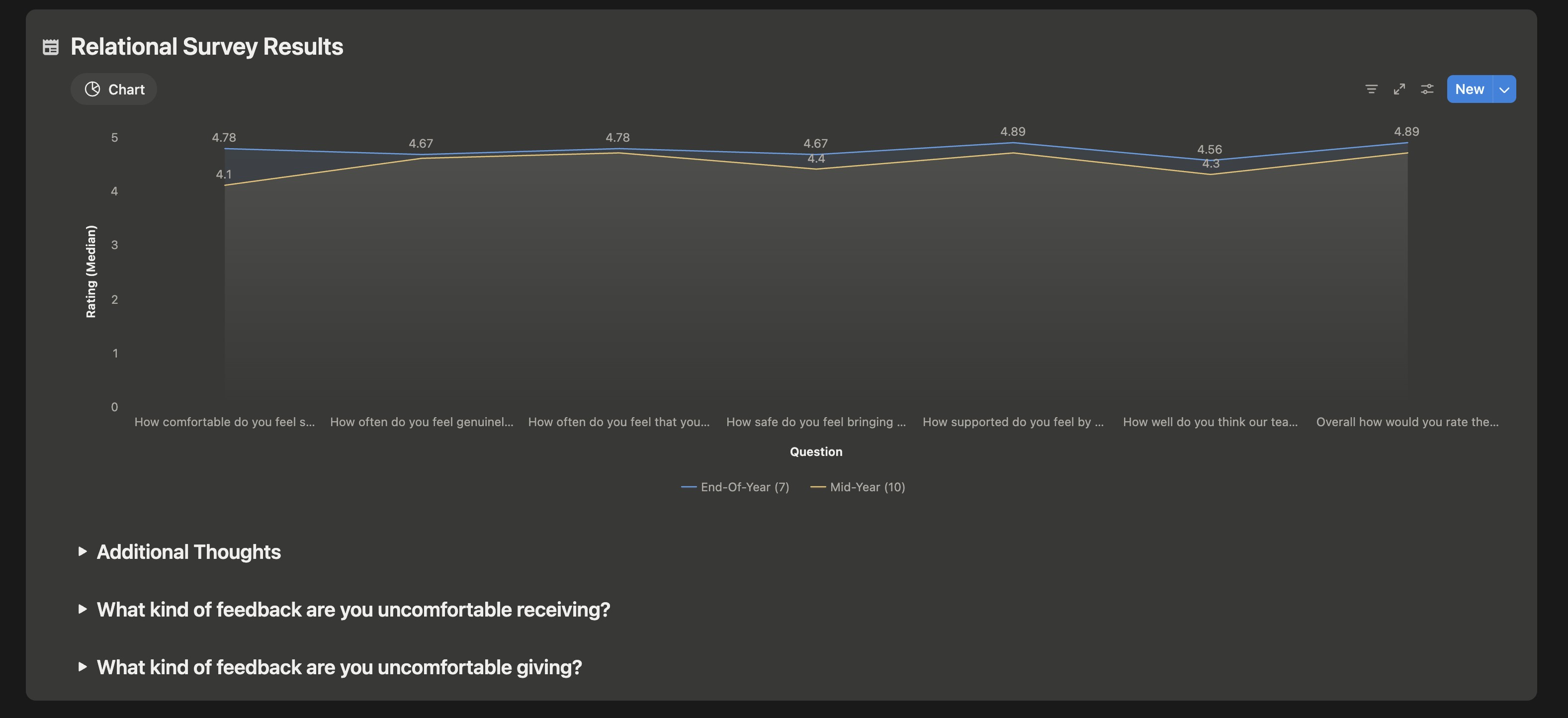
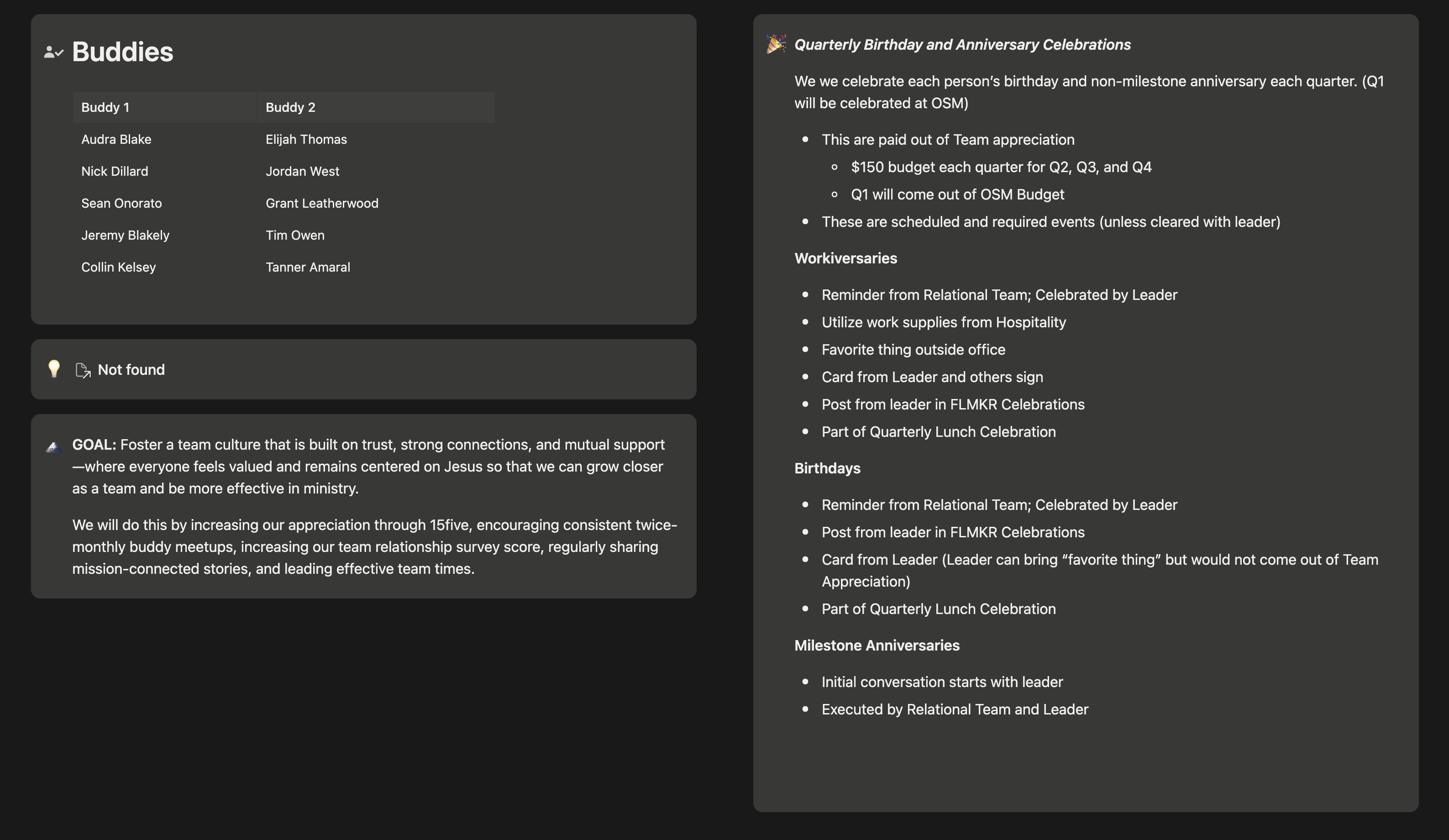
 The relational dashboard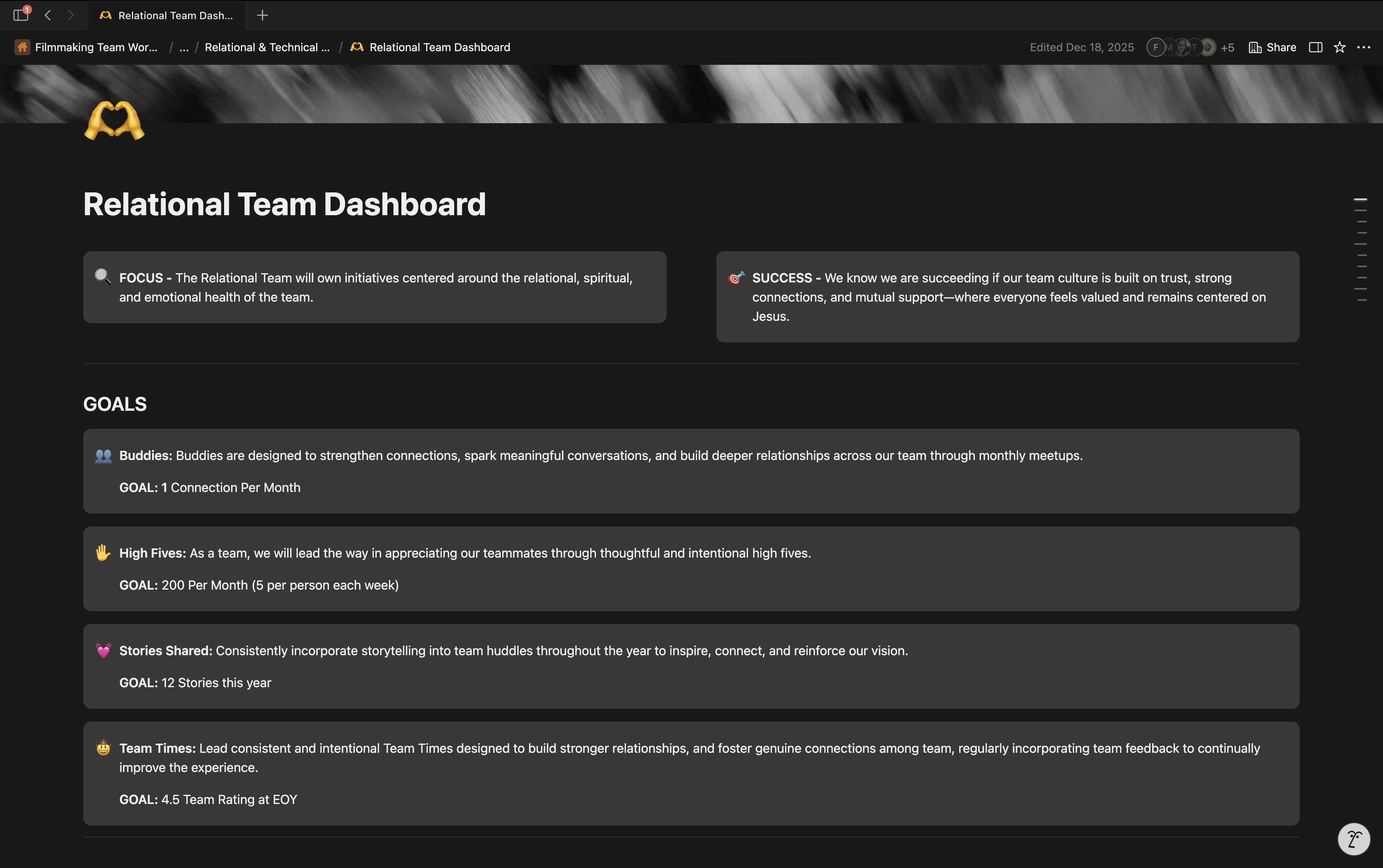

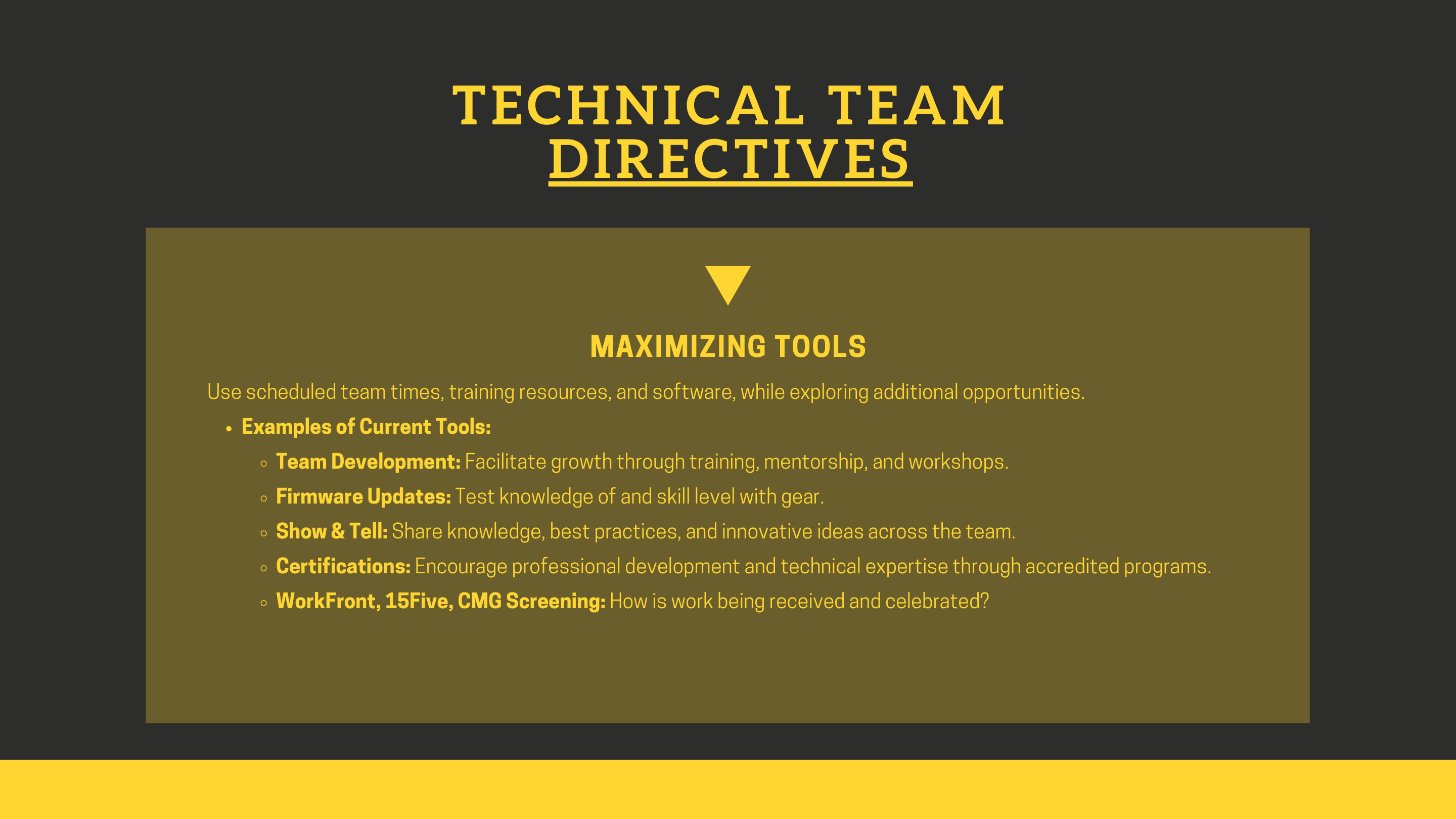
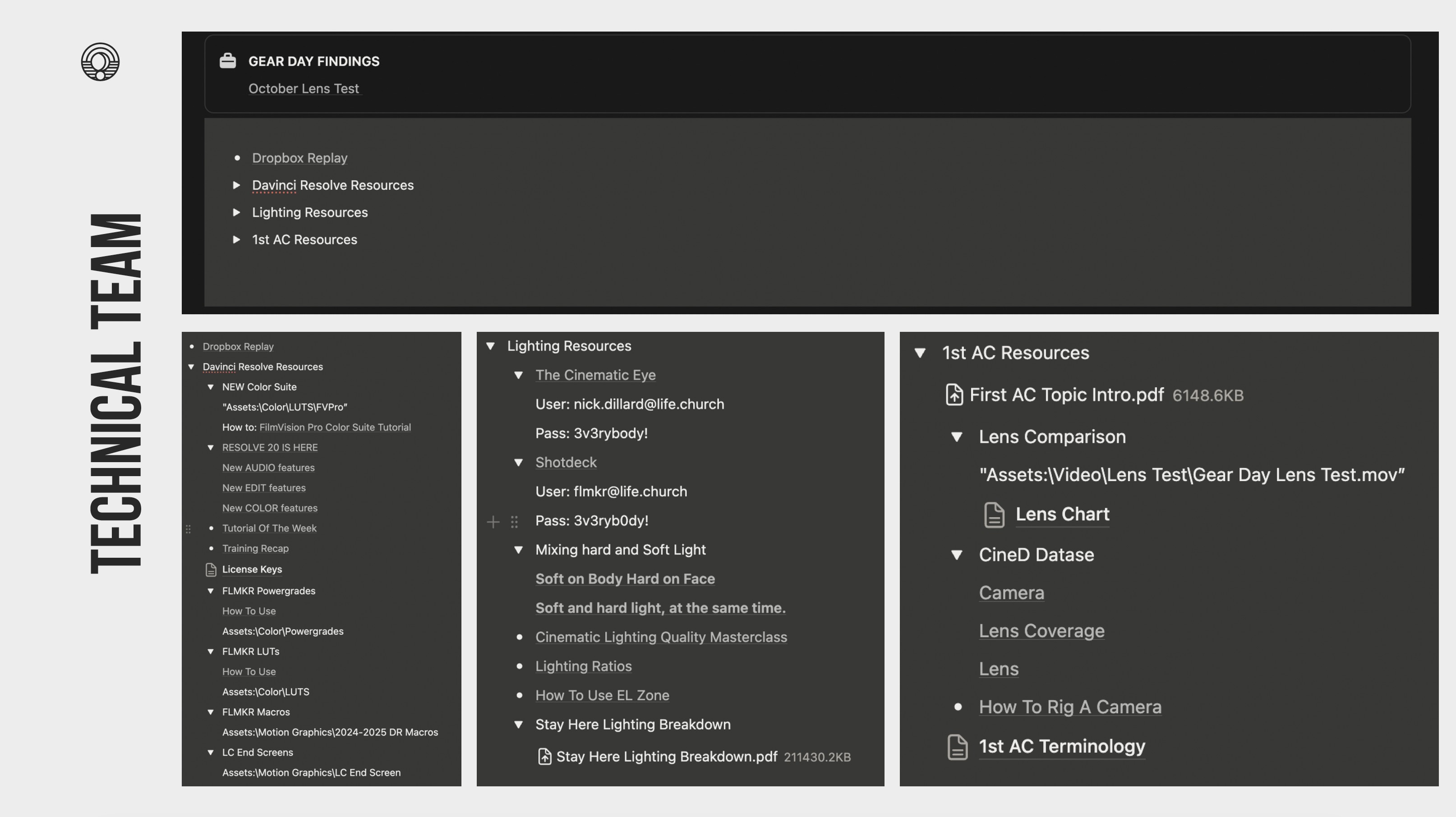
 The technical dashboard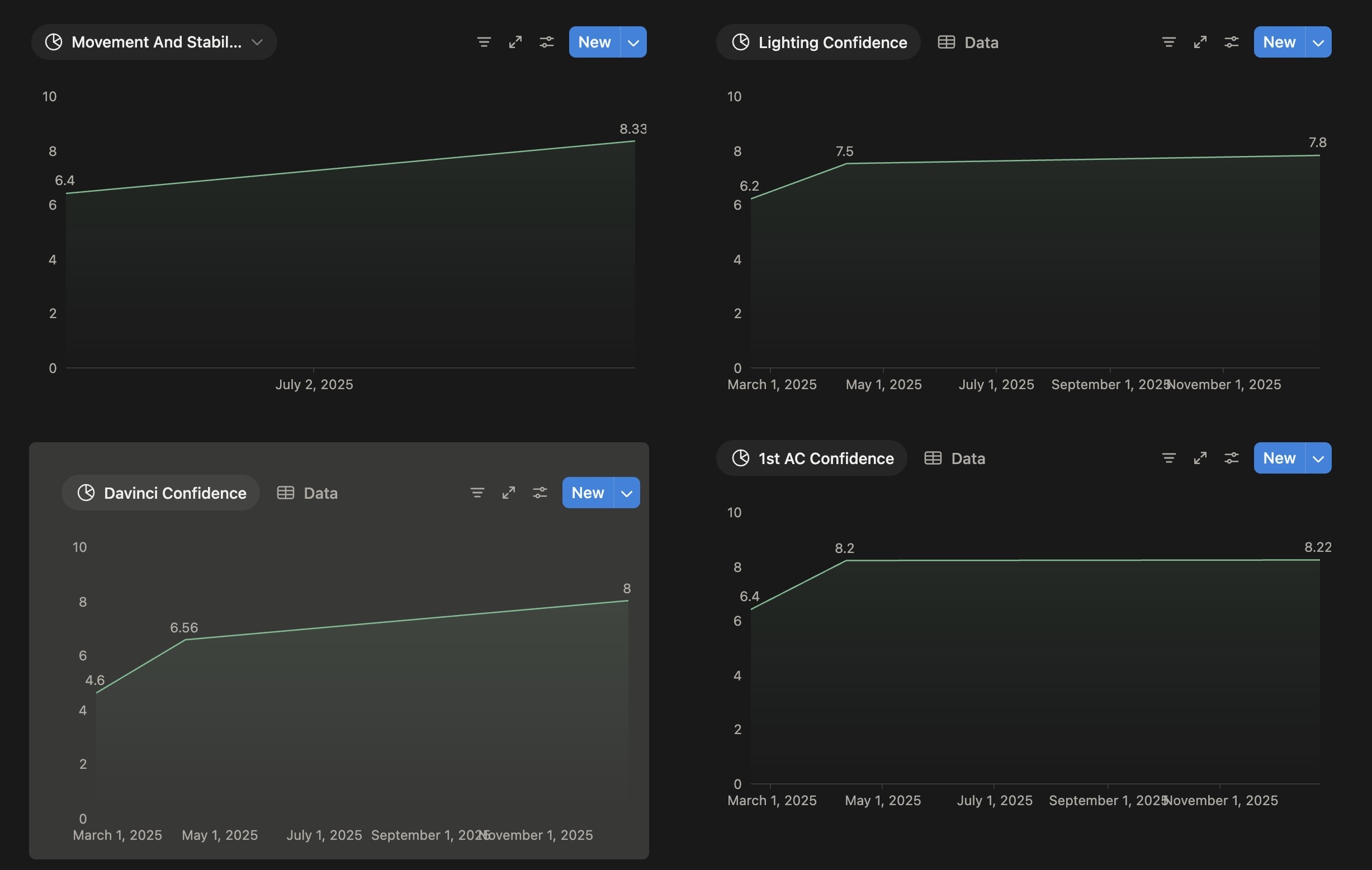


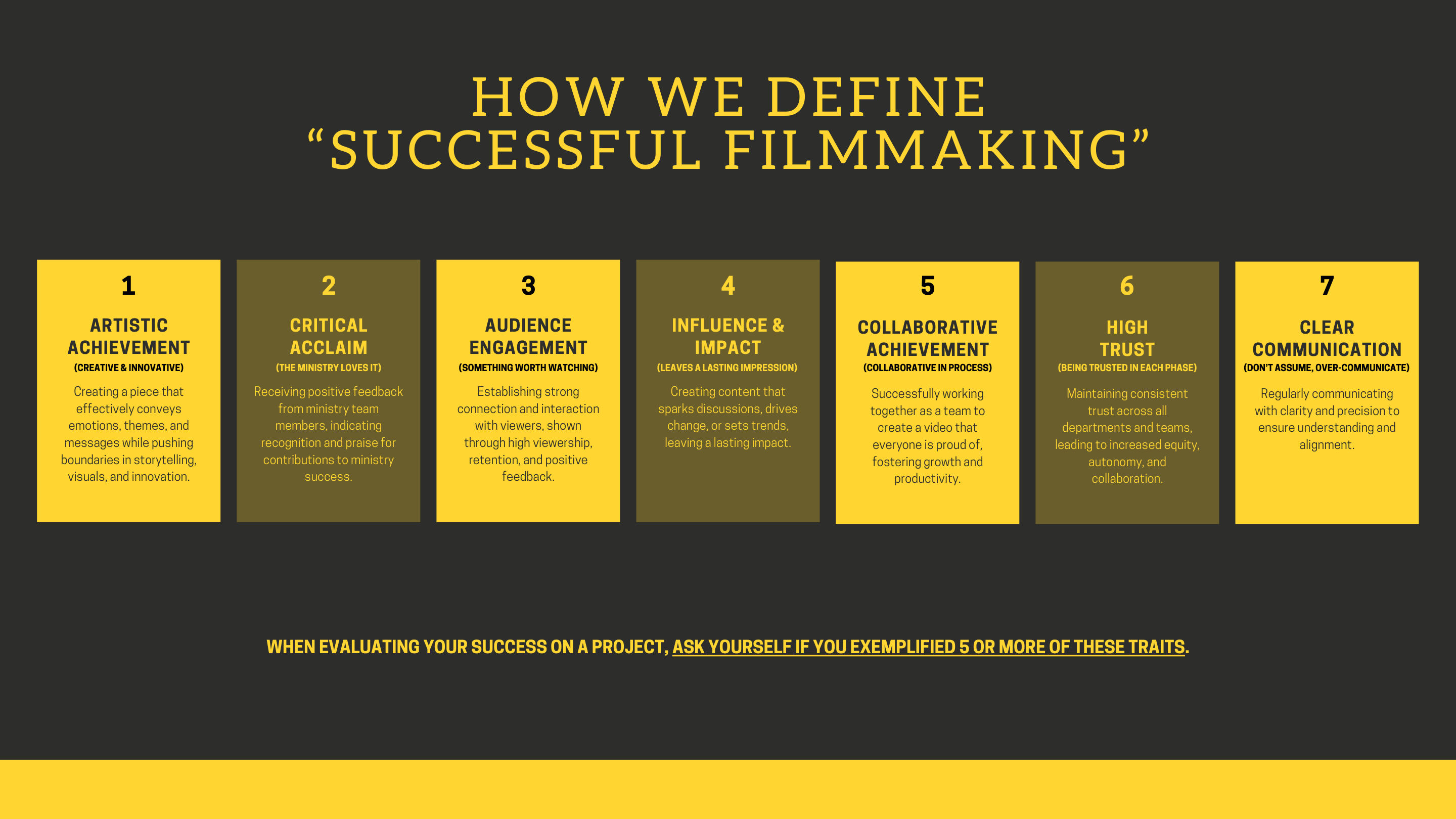
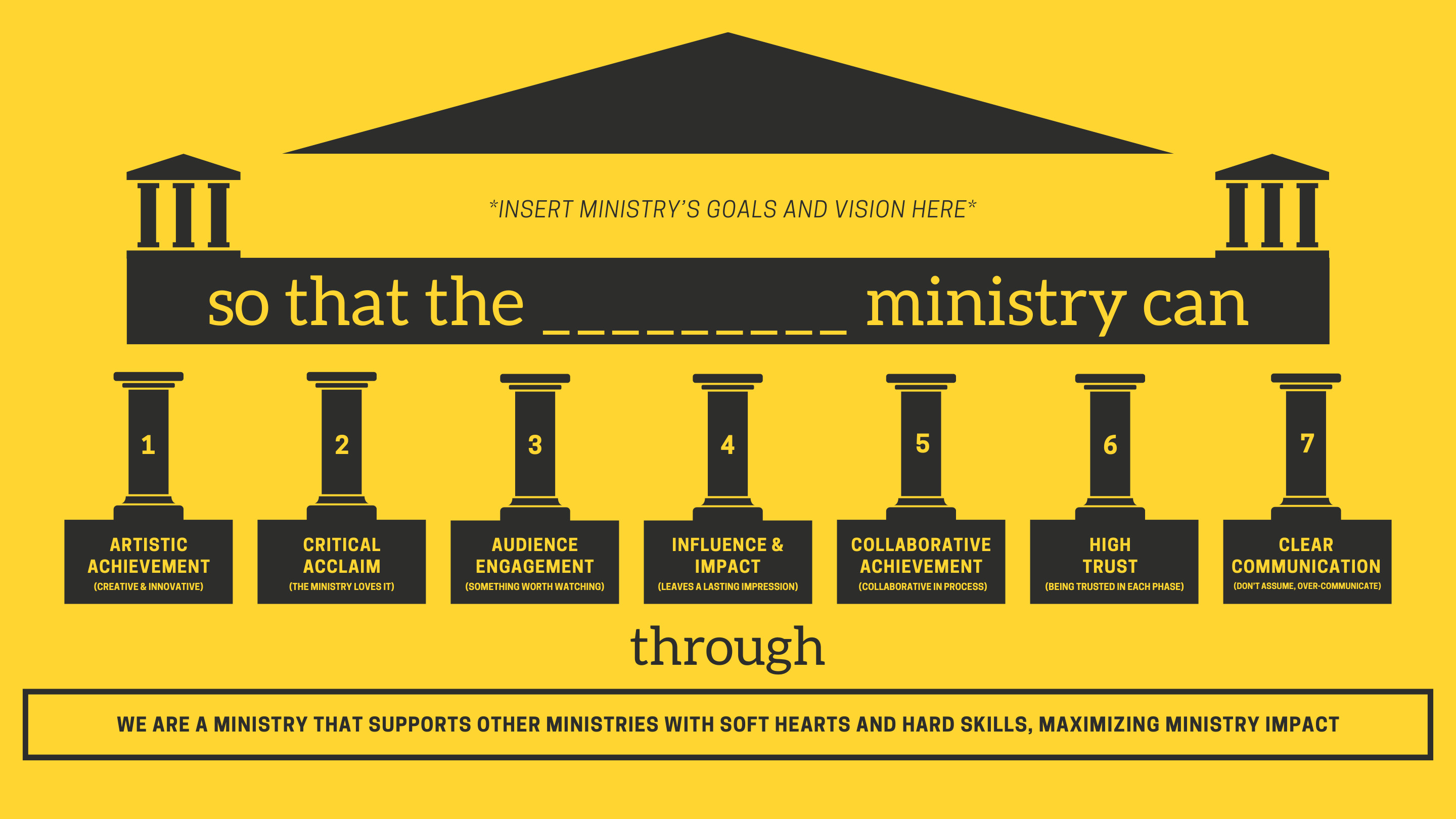
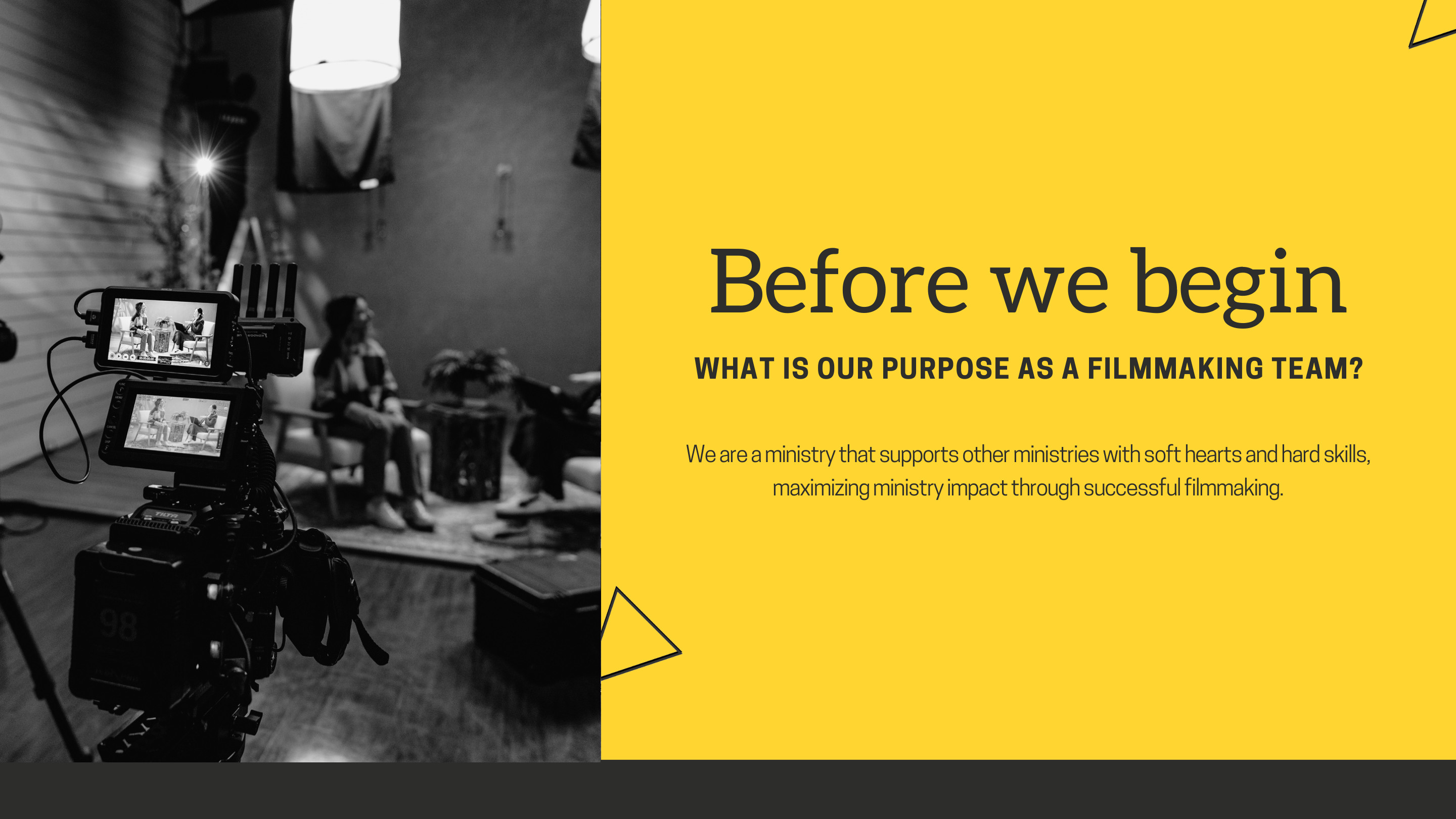
In 2025, I wanted us to focus on supporting the ministries we serve. That meant establishing what successful filmmaking looked like, defining the key successes that got us there, and developing in filmmaking to honor them while staying healthy in the process.
I did this by creating a purpose statement that aligned to our values. That way there was a shared language on the team for why we existed, who we existed for, and what support looked like, by defining what excellence looked like.
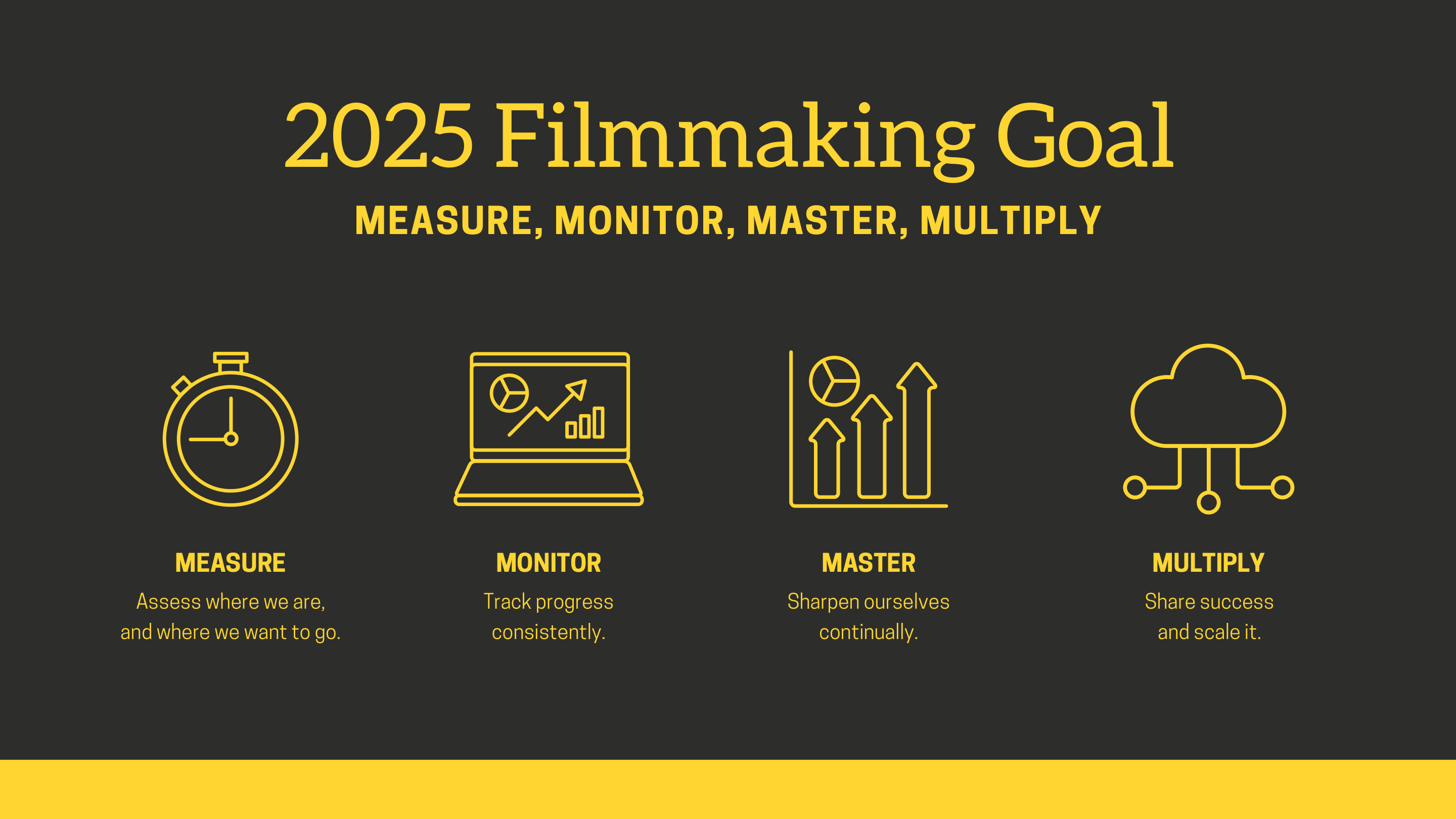
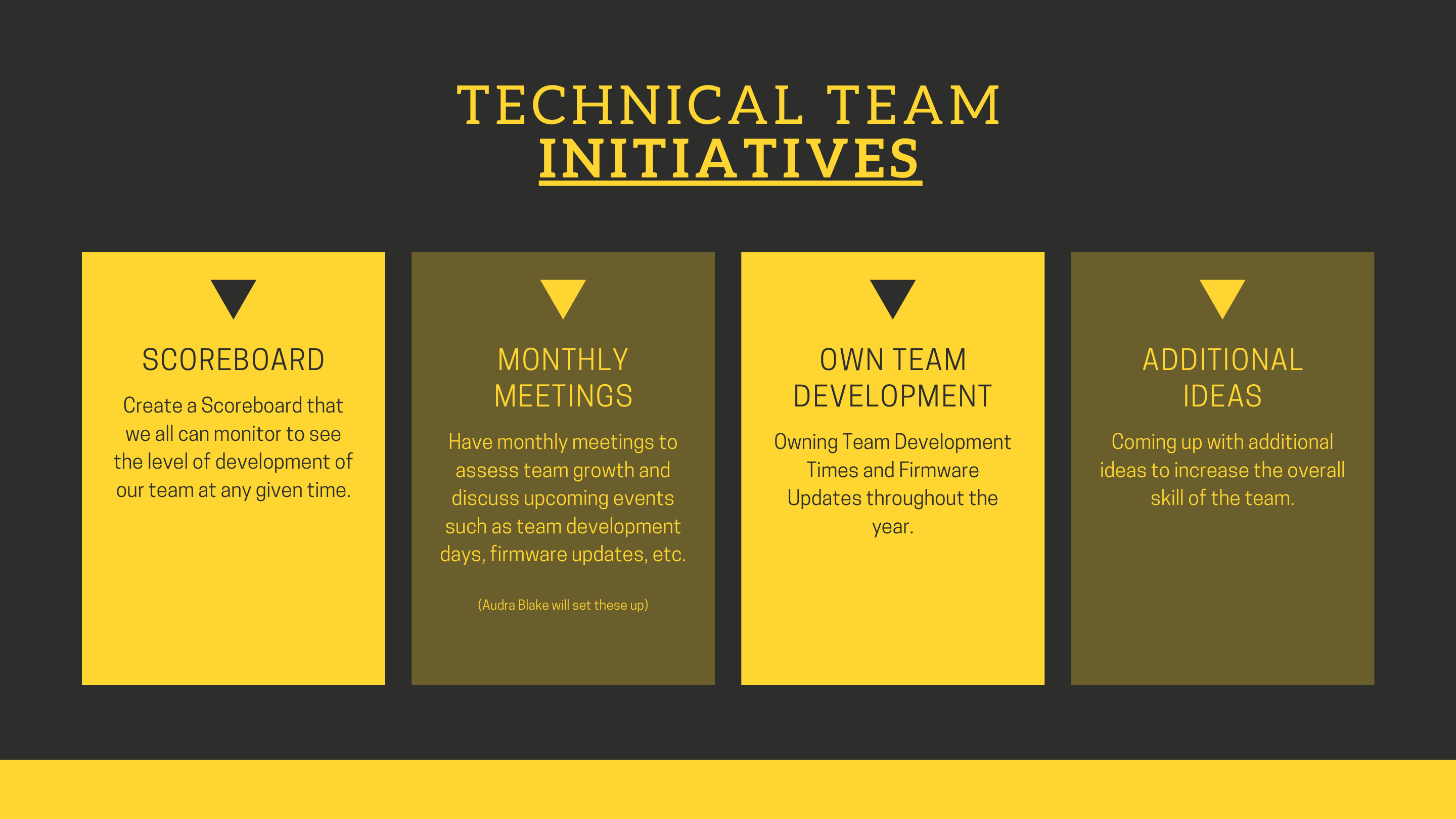
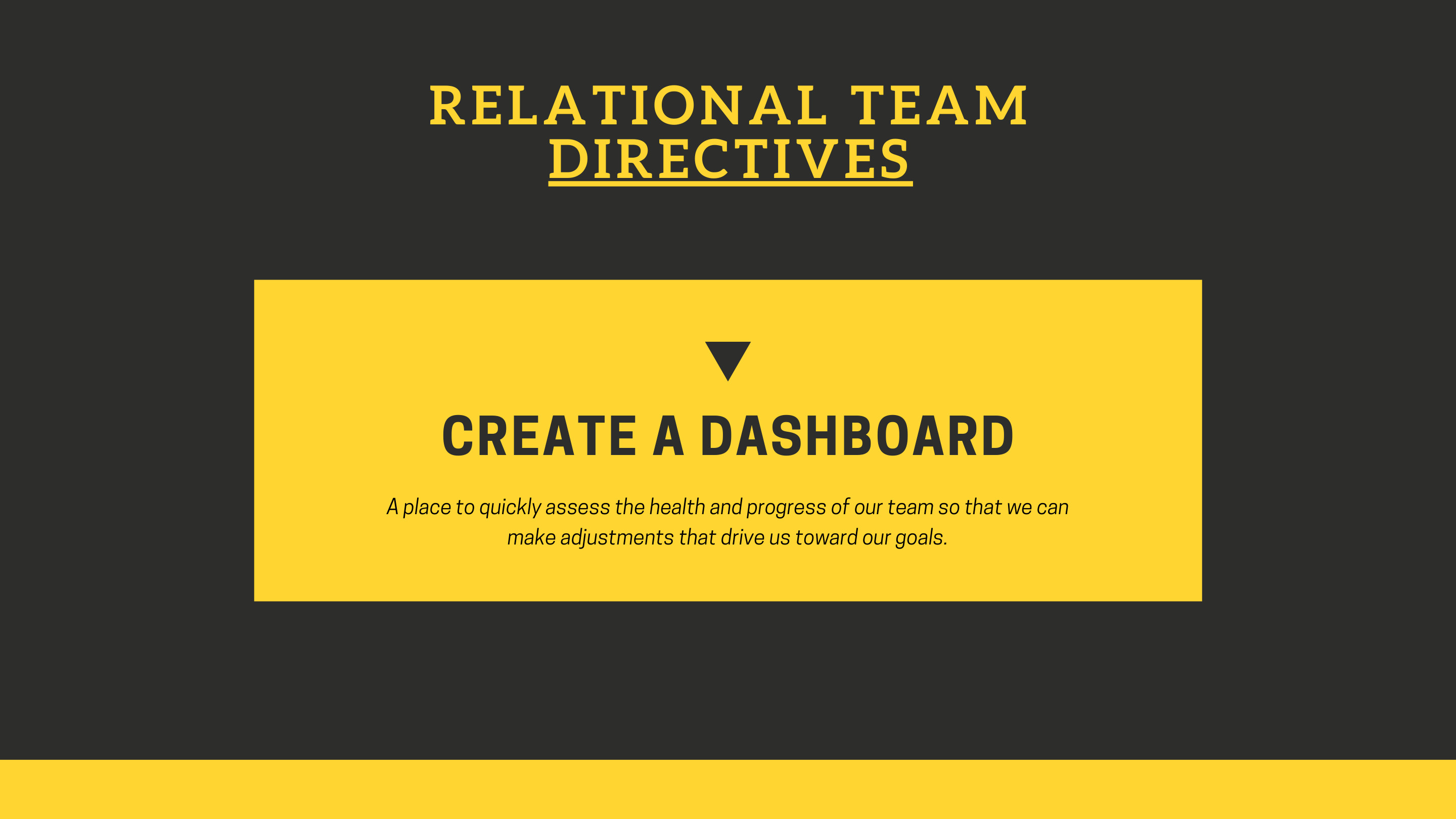
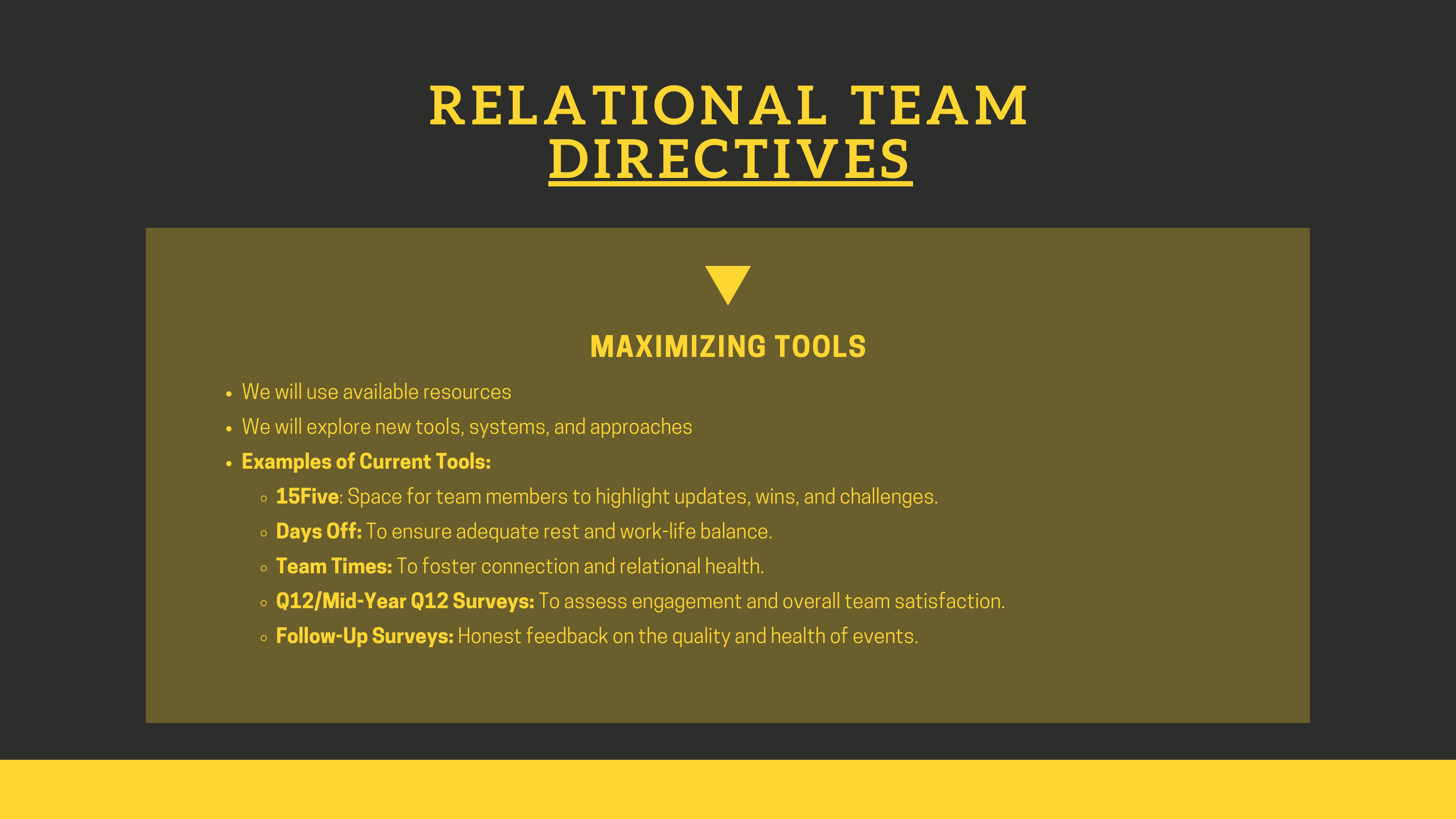
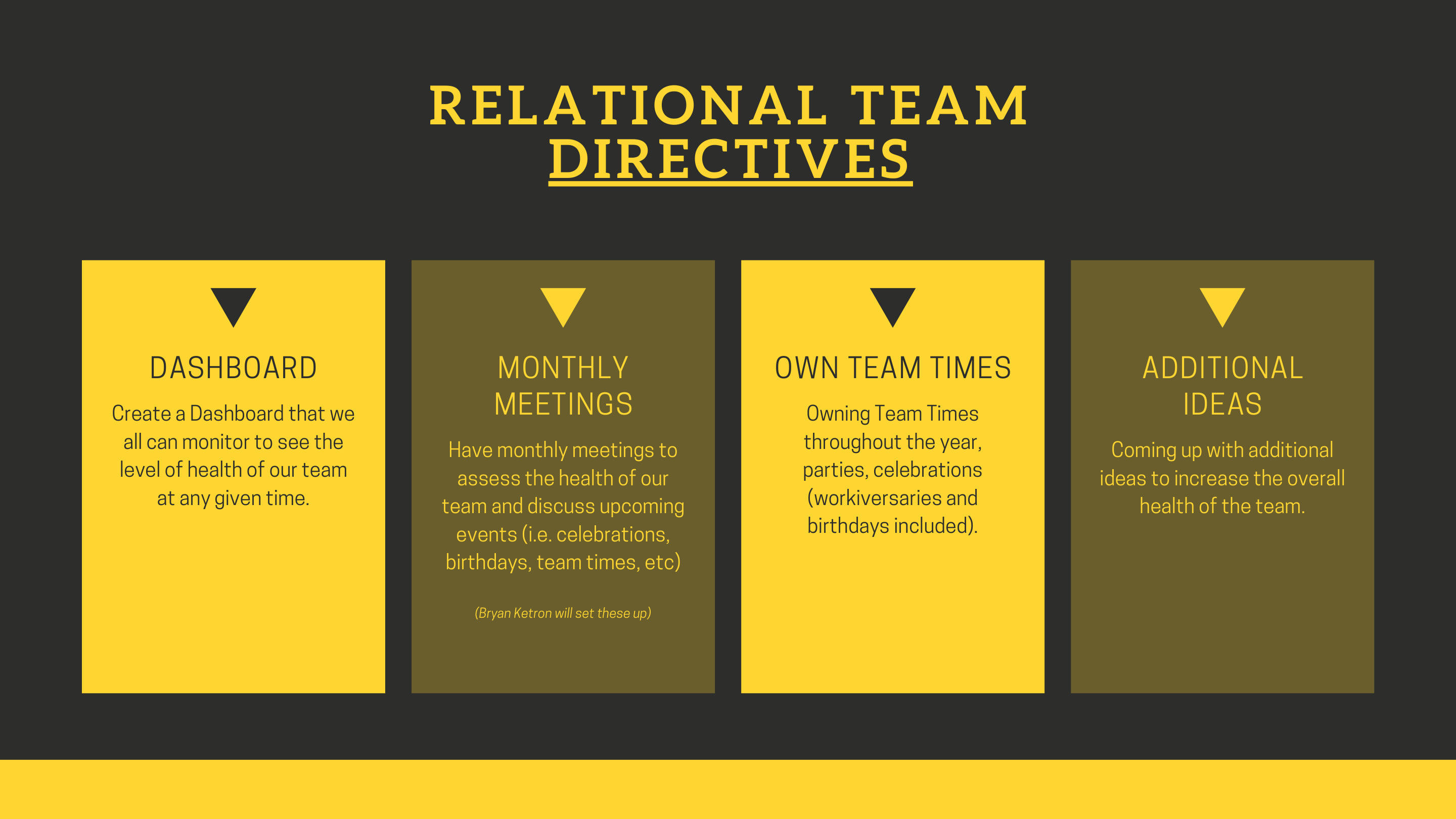
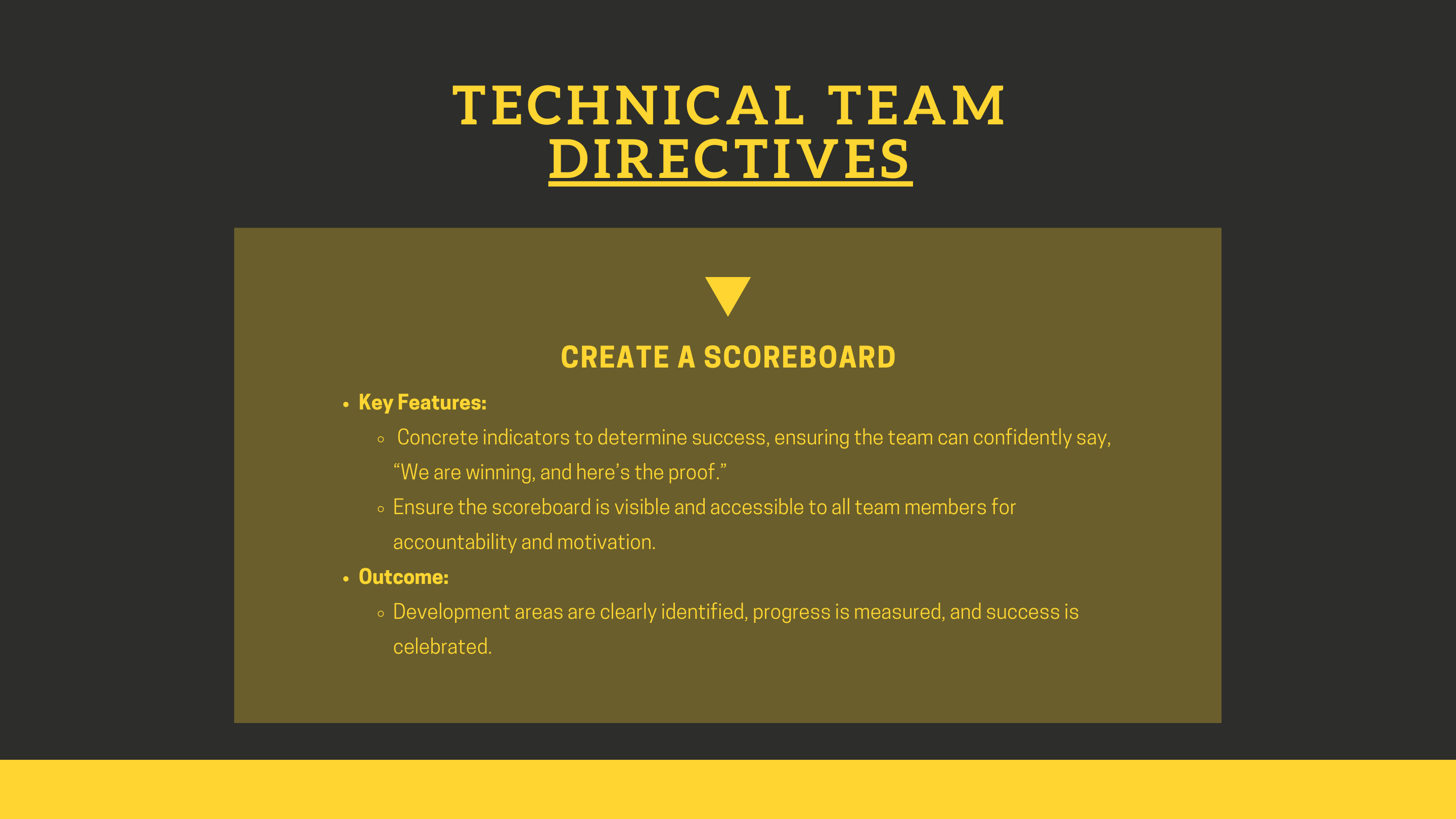
I also created two teams for the year, each led by other leaders on the Filmmaking Team. One focused on skill development, the other on the health of the team. The whole point was to figure out how to measure those things, so we could monitor them, then master them, then scale them. We built a dashboard for health and a scoreboard for skill. The dashboard was there to monitor. The scoreboard was there to tell us whether we were winning the game we were playing.
I established the expectations of those two teams, then let the leaders lead them how they saw fit, while holding them accountable to tracking success month to month. That created momentum in these areas while giving freedom, autonomy, and authority to those leaders to develop their own leadership and their own leadership styles.
We tracked all of it through our Notion workspace, so any filmmaker at any time could see how we were doing in certain areas.
This ultimately led to great success in both areas. The relational survey finished the year at 4.89 out of 5 against a 4.5 target, up on every question from mid-year. On the technical side, confidence went up in every skill area we tracked, with DaVinci moving from 4.6 to 8.0 between March and November. It also led to increased leadership in both leaders. One of them became a Team Leader for another team at the end of 2025.